


The WNBA is entering one of the most transformative periods in its history, its rise in popularity fueling increased investments and a growing fan base. With multiple new teams being added from 2025-2030, the league is not only expanding geographically but also redefining its place in the sports industry.
In the most current news, the women’s league has announced the expansion of three new franchises now entering the draft: Detroit, Cleveland and Philadelphia. The WNBA started the expansion last year at 15 franchises, hoping to expand to 18 by 2030.

The league’s first official new franchise transitioning for 2025 started in San Francisco, the Golden State Valkyries making their mark as the first new franchise in over a decade. This decision opened the door for both continued success and growth for women in sports.
Later in 2026 Toronto is also set to join the WNBA, creating more opportunities for players to secure roster spots in a longstanding professional women’s league.
The No.1 overall draft picks continue to carry major significance, as historically the top selections have shaped the league’s identity. Star players this year include Aj’a Wilson, Caitlin Clark and Paige Beuckers. Since earlier seasons, Wilson has developed into one of the most dominating players in the league, illustrating how impactful the cornerstone of a women’s franchise can be.
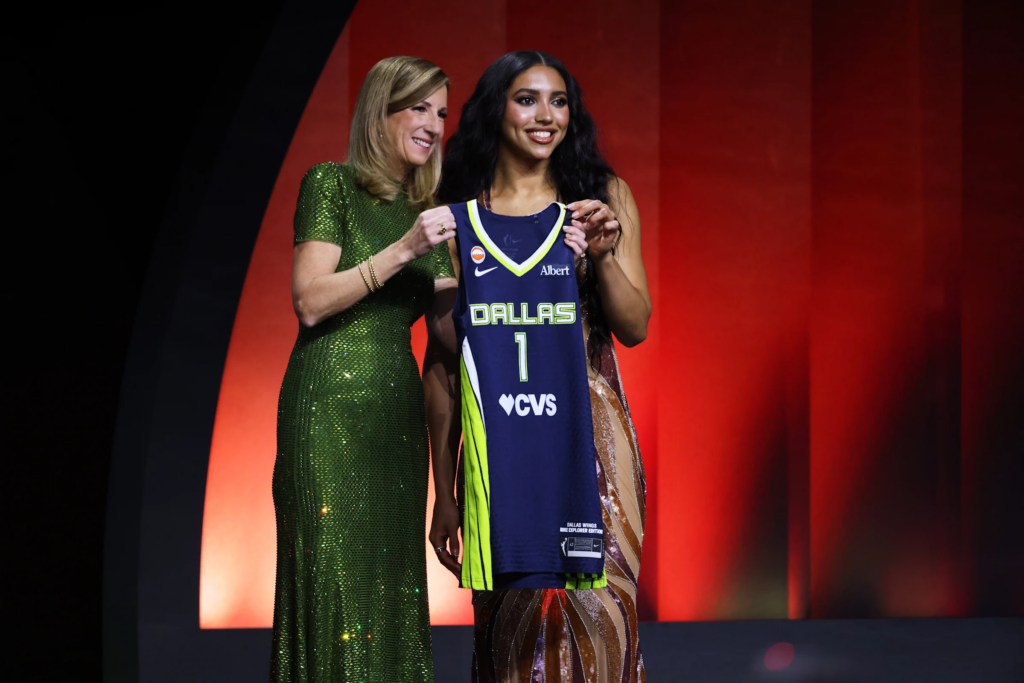
The incoming class’s talent is deeper and more marketable than ever before. UConn’s former player Azzie Fudd was selected by the Dallas Wings, making it UConn’s second year in a row having the No. 1 pick.
One of the most talked-about players is LSU’s former star player Flau’jae Johnson, whose name surfaced in last minute trade discussions and led to an unexpected turn of events that night. Johnson was originally picked up by the Valkyries being their eighth pick, but later the same night she was traded to the Seattle Storm.
South Carolina’s former star point guard Raven Johnson, selected by the Indiana Fever as the tenth pick of the night, highlights her depth of talent entering the league. The skill she has displayed with the Gamecocks has carried her longevity throughout her collegiate career.
Related: Women’s March Madness makes waves
With the expansion playing a key role in this shift and more teams transitioning into the league, front offices are under pressure to build the league’s competitive squads quickly. On the other hand, this opportunity provides for players who may have previously been cut due to limited roster space.
The WNBA’s growth from 2025-2030 stands out for more than just increasing franchises, it reflects a league evolving in real time. From the legacy of No. 1 picks to increased opportunity for international players, the league is entering a new era for women in sports. Its talent, opportunity and visibility continue to rise, bringing more attention, support and recognition to the WNBA than ever before.
Casey Brewer, reporter
- Heidi Arnold receives first Mary Evans Scholarship

- Clarion Cuisine: Flavor House lives up to its name

- Editorial: AI is not journalism

- Tartan Spotlight: Nadine Cichy

- YourVoice: Students weigh in on campus parking