
The cultural wave of anti-intellectualism has taken the world by storm, reshaping how communities talk about books, literacy and who gets to decide what stories are “appropriate.”
While national debates grow louder, local librarians and booksellers continue working to make literature accessible in judgment-free spaces where readers can explore without fear of criticism.
PEN America documented 3,743 titles removed from school libraries and classrooms between July 2024 and June 2025, with 6,780 total instances of bans across 23 states. Many of these books center on identity, trauma, rebellion or LGBTQ+ themes.
Teen Services librarian Fred Kirchner, of the Dayton Metro Library’s Wilmington-Stroop Branch, said, “Censorship has horrible repercussions for our empathy as a culture, and to imagine lives different than our own.”
He added, “It’s like putting a border around one’s mind. It’s very limiting.”
According to the American Library Association, book challenges have surged sharply over the last decade, with reports showing a dramatic rise beginning around 2016 and continuing to escalate.
While public libraries do not have legal authority requiring them to ban books, they do have a formal review process when patrons challenge materials they believe are not appropriate or not reflective of community values. Even so, libraries continue to carry controversial titles as access to information is central to their mission.
While censorship often targets books about identity, another form of literary gatekeeping happens quietly through genre stigma. Romance, romantasy and other genres written largely by women for women are frequently dismissed as “not real literature.”
Lindsay Woodruff, co-owner of Swoon Books and Wine, said the stigma against romance is “rooted in misogyny.”
These genres are often undervalued despite being some of the most widely read and emotionally resonant books for teens and adults.
“When people read what they love, regardless of what it is, there will be an increase in literacy because people are reading,” Woodruff said.
She sees firsthand how readers gravitate toward stories that reflect their identities. Teens, she noted, often seek stories about complex relationships and personal growth, including LGBTQ+ books. When schools or libraries don’t carry those books, people will look for those books in places like Swoon or other local bookstores.
Woodruff believes banned books serve an important purpose by exploring rebellion, trauma, identity and moral conflict—topics that challenge readers to reflect on their own beliefs.
“People need to be made uncomfortable. People need to be challenged and to spend time with feelings that aren’t comfy,” she said.
Woodruff noted that some of these books “have slid under the radar,” but they still carry themes that could make them targets for censorship.
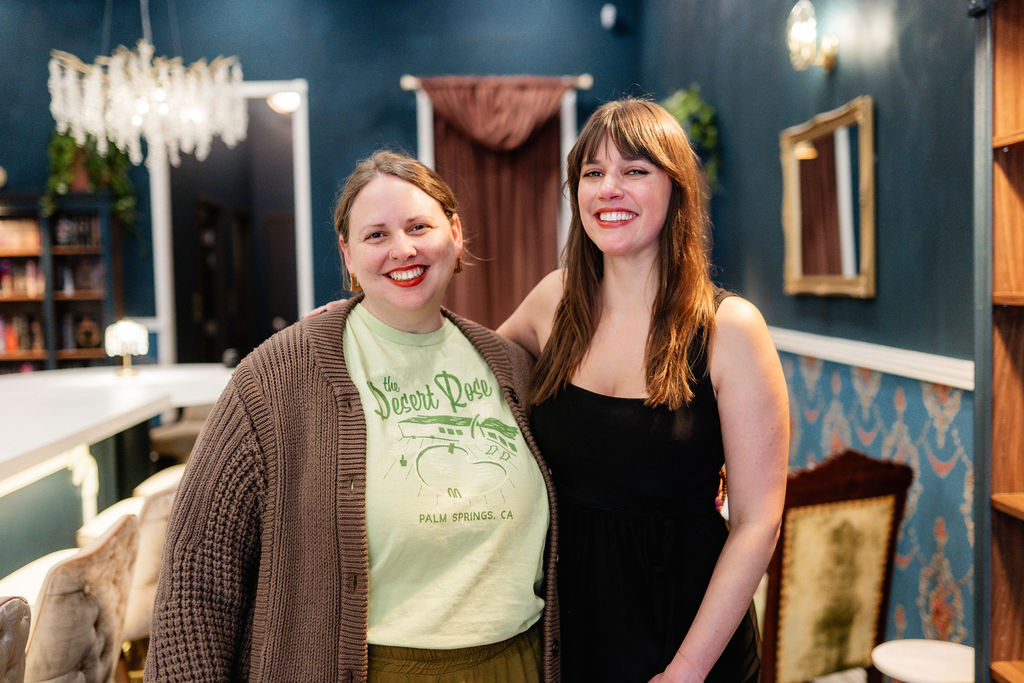
Despite national trends, local libraries and bookstores continue to offer safe, inclusive spaces for readers.
Public libraries remain committed to accessibility. They do not restrict patrons by age, though parents may place settings on their child’s card. Libraries also maintain diverse collections and rely on community donations when censorship attempts occur.
Swoon operates with a similar mission. Woodruff said the store avoids only books with on-page sexual violence toward children but otherwise welcomes all genres. Patrons often express gratitude for the diversity of titles available.
“Book banning will always be a hot topic among readers,” said Woodruff.
Swoon is part of the American Booksellers Association, and every purchase—whether a book or a cocktail—contributes to what Woodruff calls “our own quiet resistance.”
Her philosophy is simple: “Read what brings you joy, and read what makes you read.”
In a climate shaped by anti-intellectualism, censorship and genre stigma, local spaces like libraries and independent bookstores remain essential, offering books and community. These are places where readers can explore freely, challenge themselves and find stories that reflect who they are and choose stories without fear of judgment.
The conversations happening inside Dayton’s reading spaces show how national debates filter down to everyday decisions: what gets stocked, what gets challenged and what readers feel comfortable carrying to the checkout desk.
Librarians continue to defend broad access, even when certain titles draw scrutiny. Booksellers create environments where teens and new readers can find stories that reflect their identities, especially when those stories are harder to locate elsewhere.
These efforts don’t resolve the larger cultural pressures, but they do shape how people experience them. They keep reading connected to curiosity rather than restriction, and they ensure that the next generation encounters a wide range of voices, genres and perspectives.
As censorship debates evolve, the work of these local institutions remains steady, preserving the freedom to read, the freedom to explore and the freedom to find meaning in the stories that resonate most.
Story originally turned into Introduction to Journalism summer 2026 at Sinclair Community College.
Megan Gresham, contributing writer
Check out more from The Clarion:
- PHOTOS: Hundreds gather for ‘No Kings’ rally in Dayton
 More than 3,000 “No Kings” protests were planned for a nationwide “day of action” on Oct. 17. At RiverScape MetroPark,… Read more: PHOTOS: Hundreds gather for ‘No Kings’ rally in Dayton
 - Sinclair’s Theatre Department presents Louisa May Alcott’s “Little Women”
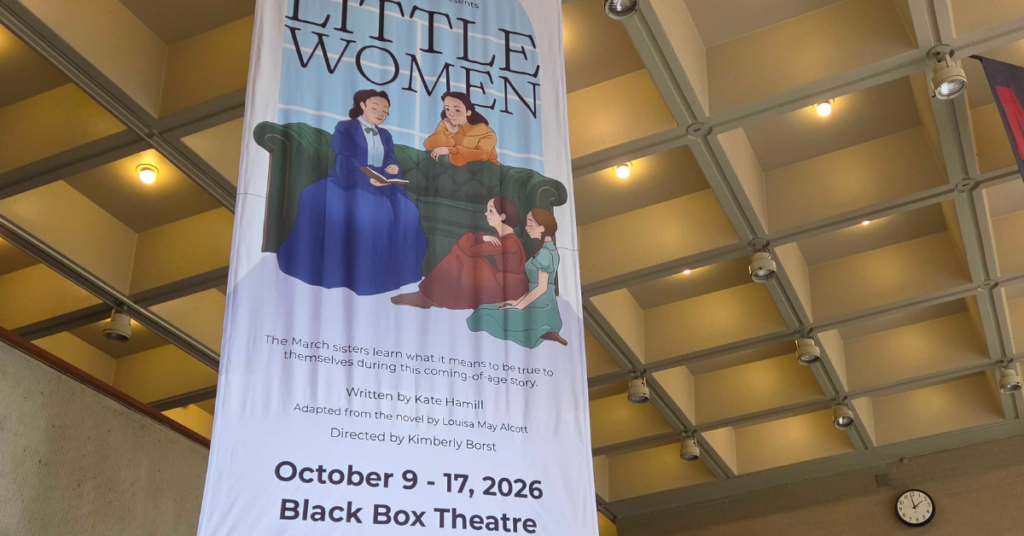 Tick, tick, tick. The sound of a clock offered a reminder that time never stops, carrying childhood into adulthood and… Read more: Sinclair’s Theatre Department presents Louisa May Alcott’s “Little Women”
 - YourVoice: Fall brings festivities, homesickness and midterms
 Leaves shifting hues and making canopies mimic catching fire, chillier days remedied by warm pumpkin lattes, curling up on the… Read more: YourVoice: Fall brings festivities, homesickness and midterms
 - Settle into spooky season with these 5 films
 The leaves shift into an orange glow, the weather cools, and the nights grow darker. The coming of Oct. is… Read more: Settle into spooky season with these 5 films
 - Sinclair honors Toni Morrison through writers’ workshop
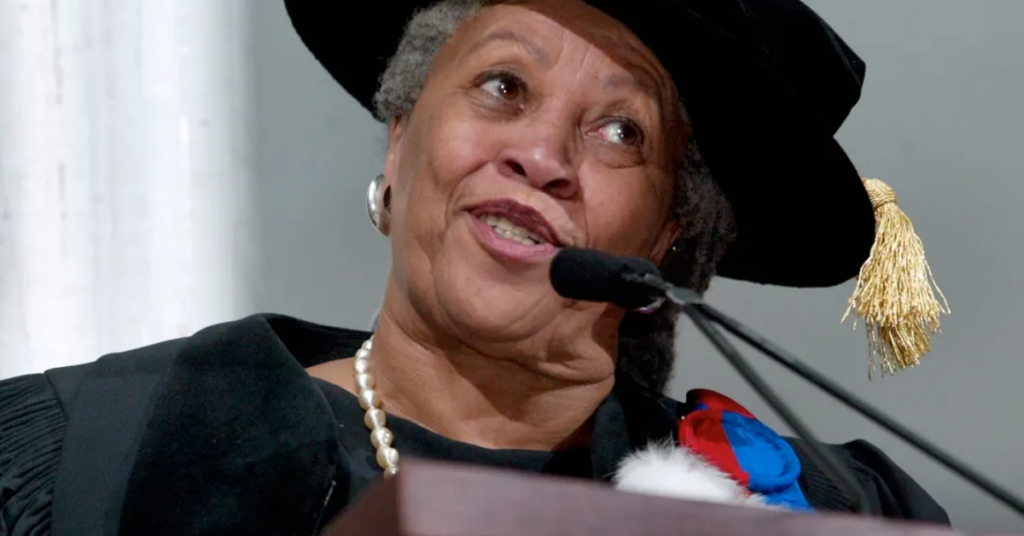 Born in Lorain, Ohio, Toni Morrison was an acclaimed and influential novelist and essayist and became the first African American… Read more: Sinclair honors Toni Morrison through writers’ workshop