

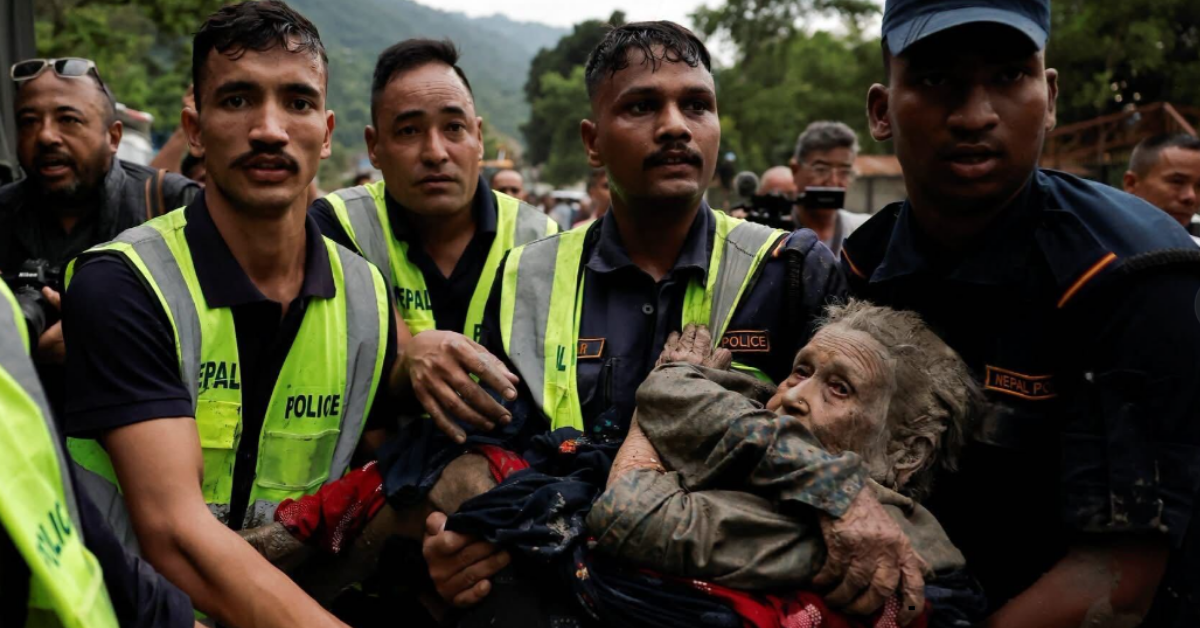
A massive flash flood occurred on Aug. 26 around the Bhote Koshi-Lhende Khola River system in Rasuwa District in northern Nepal, near the Chinese border.
The disaster washed away entire communities, resulting in hundreds of deaths and thousands of disappearances. The missing individuals include travelers from all over the world, including some U.S citizens.
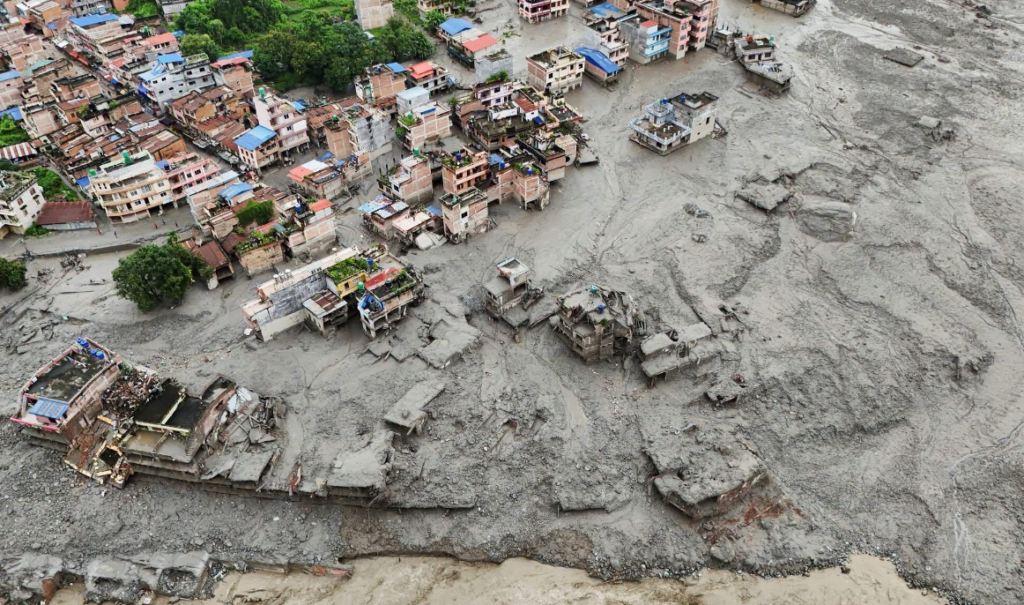
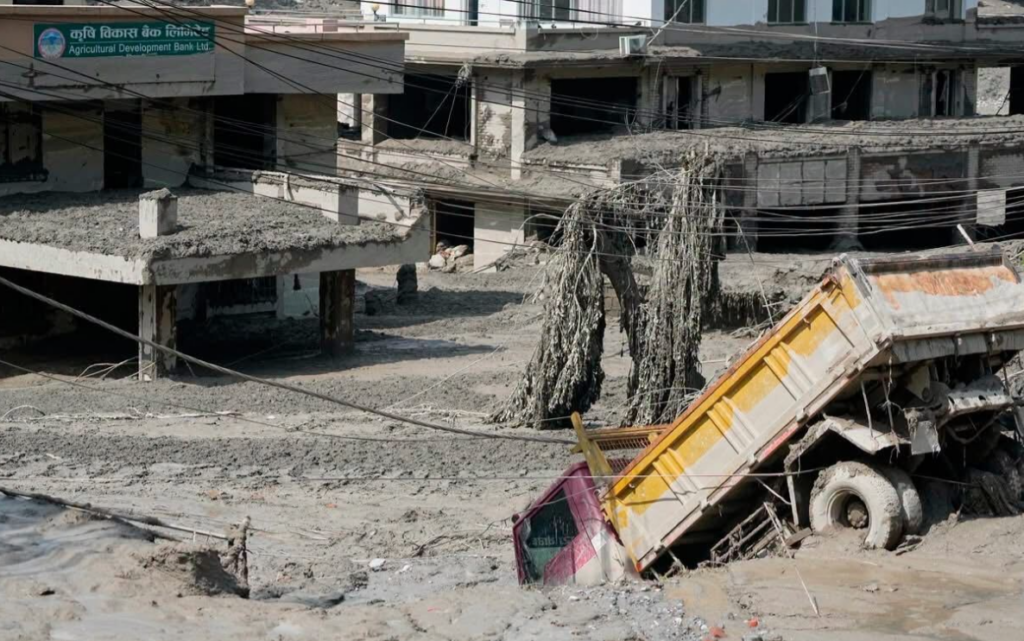
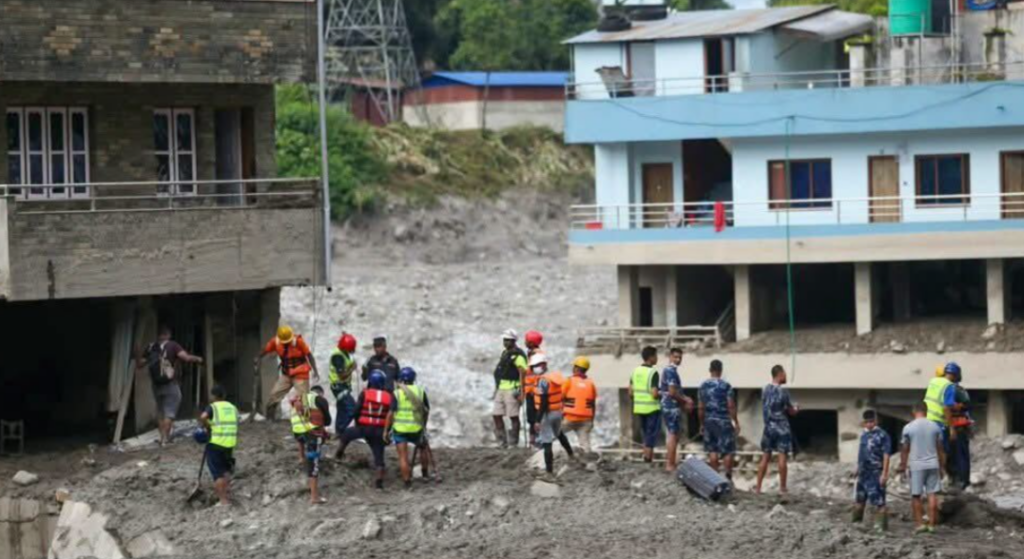
This sudden destruction was caused by a glacier collapse and massive debris flow in the Himalayas of Nepal. This results in significant quantities of water, mud, rock and other debris flowing down the river valleys.
This created an extremely fast-moving flood which destroyed people’s homes, as well as roads, bridges, hydropower projects and other infrastructure.
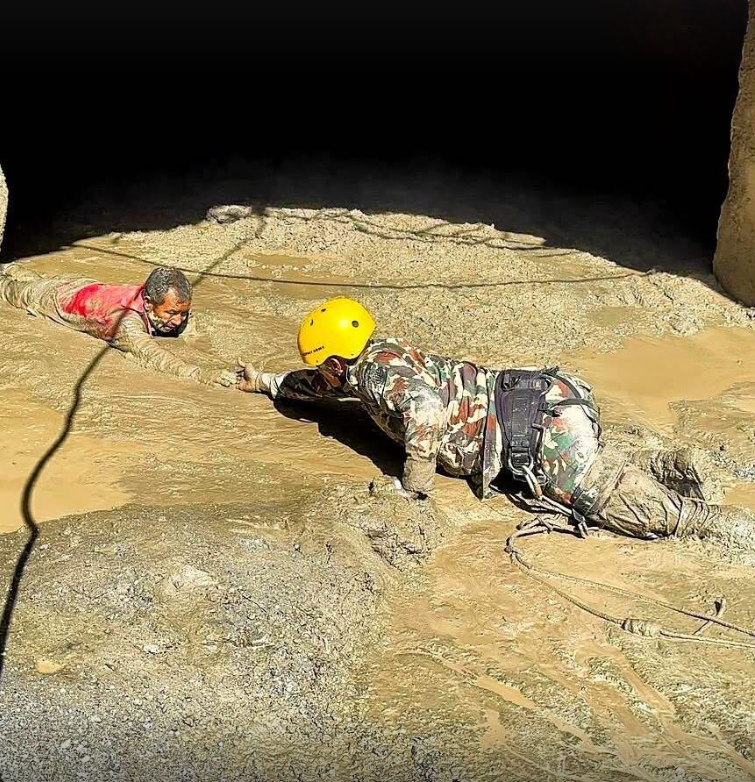
Many workers of the hydropower plants and people living in nearby villages did not have enough time to evacuate.
According to recent data from the Ministry of Foreign Affairs of Nepal, more than 780 bodies have been recovered from the river areas, while many people including local residents and tourists are still missing.
Nepal Police separately reported that 2,500 people remained unaccounted for, including more than 400 foreign nationals. Among the foreign nationals reported missing were 65 U.S. citizens.
U.S. officials have also said they were aware of about 90 Americans who may have been impacted by the floods.
The different figures reflect different sources and stages of the search.
The Nepali and Chinese governments have also issued warnings of more flooding due to a lake that formed from debris blocking the river. People who are in the affected areas have been rescued and relocated to temporary shelters as government and humanitarian agencies are collaborating to assist.
Thousands of security forces have been dispatched by Nepal to the area. Helicopters, drones, and ground troops are being used for rescue missions. Nepal police reported that 9,435 people had been rescued as of Aug. 31.
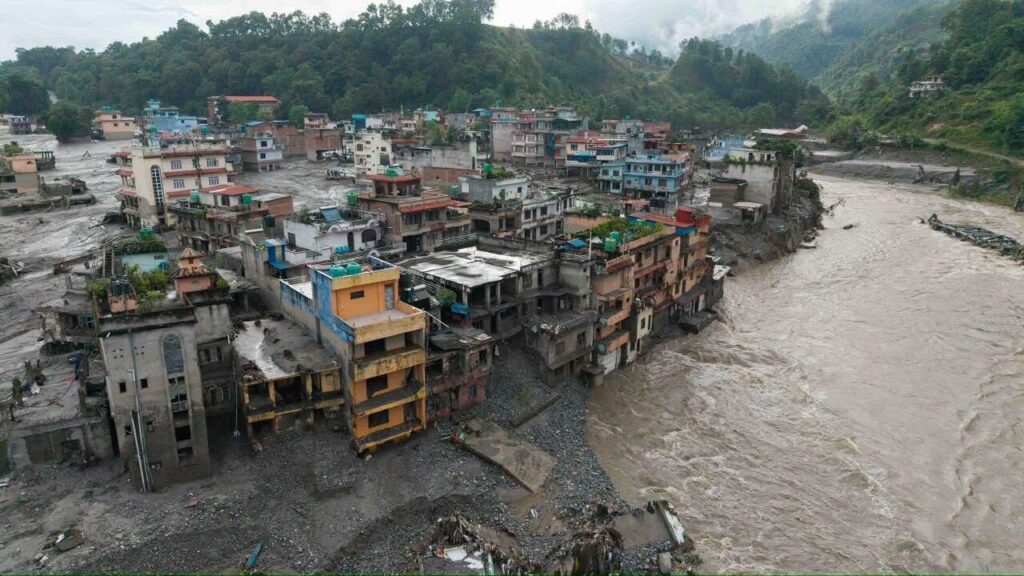
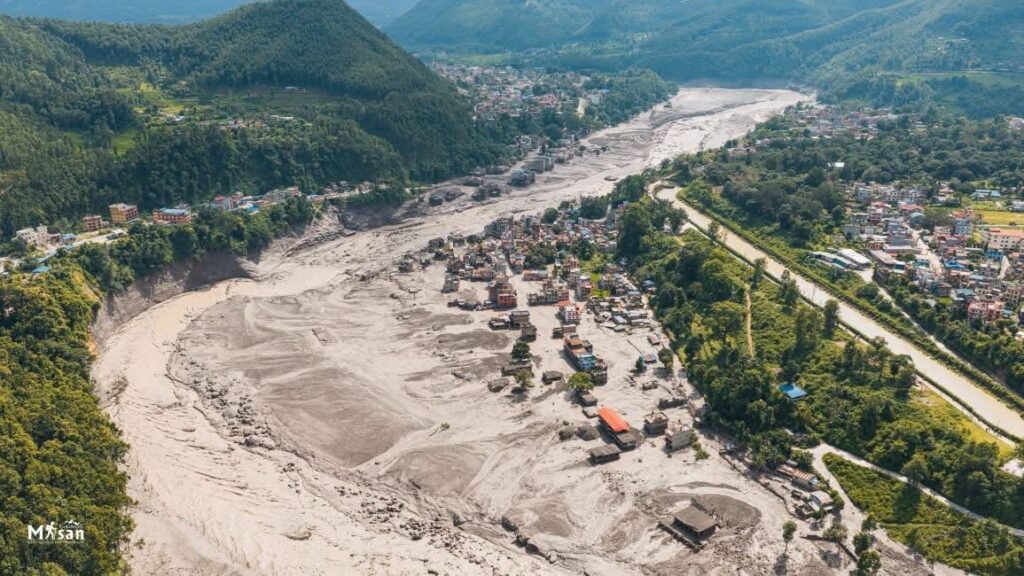
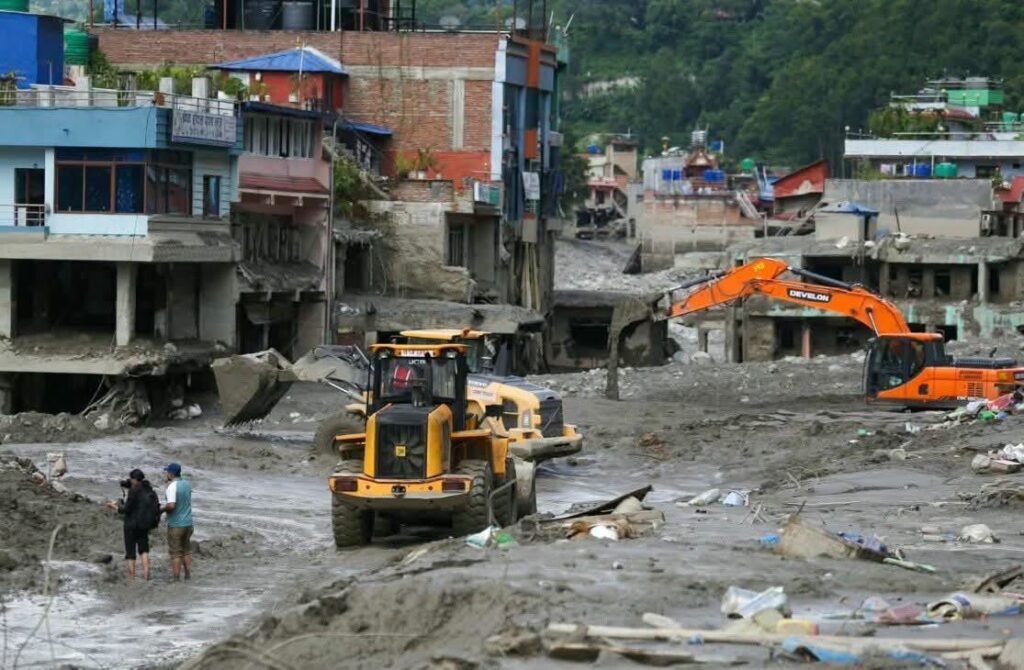
According to UNICEF, at least 17,000 children were affected by the floods and require urgent help. The organization also stated that 18 schools had been destroyed and 20 had been damaged.
The flood also caused huge destruction in transportation and trade infrastructure like the Gyirong border area between Nepal and China.
Many have lost their way due to the floods. The International Red Cross reports that about 93,000 people have been affected.
Amisha Dahal, social media coordinator
See more from The Clarion:
- YourVoice: Fall brings festivities, homesickness and midterms
 Leaves shifting hues and making canopies mimic catching fire, chillier days remedied by warm pumpkin lattes, curling up on the… Read more: YourVoice: Fall brings festivities, homesickness and midterms
 - Settle into spooky season with these 5 films
 The leaves shift into an orange glow, the weather cools, and the nights grow darker. The coming of Oct. is… Read more: Settle into spooky season with these 5 films
 - Sinclair honors Toni Morrison through writers’ workshop
 Born in Lorain, Ohio, Toni Morrison was an acclaimed and influential novelist and essayist and became the first African American… Read more: Sinclair honors Toni Morrison through writers’ workshop
 - Modern languages lab refreshes space for language learning
 Sinclair is a diverse campus that hosts various international students. Since the 1980s, the Modern Languages Lab has been helping… Read more: Modern languages lab refreshes space for language learning
 - MyVoice: Banned Books Week gives a voice to silenced literature
 In his chilling novel which later stood as the epitome for dystopian fiction, “1984,” George Orwell wrote, “Ignorance is strength.”… Read more: MyVoice: Banned Books Week gives a voice to silenced literature