
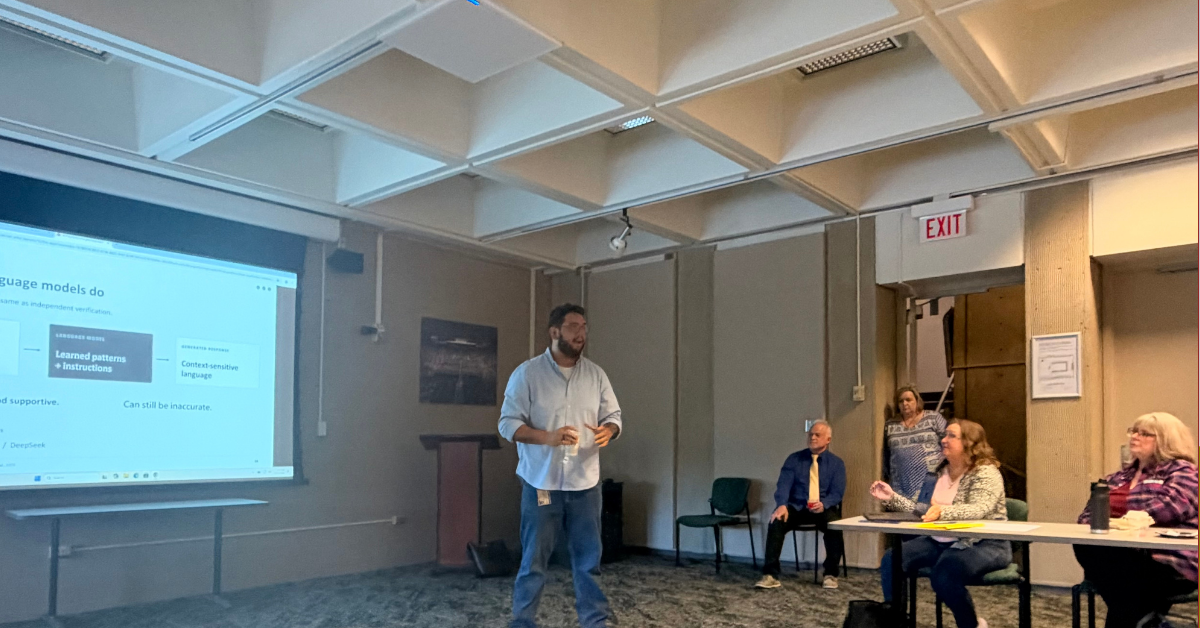
“As new technology emerges, we have new types of delusions being recognized,” said Luis Sanchez Alcazar, assistant professor of psychology.
What happens when a conversation with an AI feels like connection?
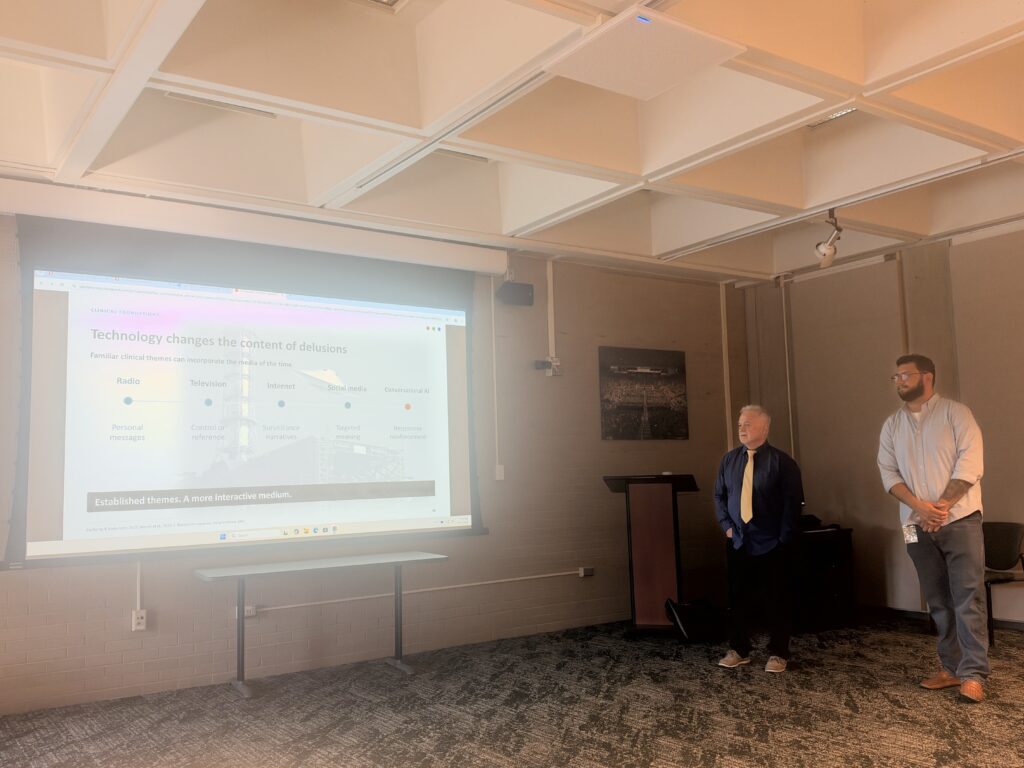
From vulnerable individuals convinced the radio was sending them messages, to those who were certain that their social media feed was proof of gang stalking, AI psychosis is an unfortunate result of a new technological advancement.
On Wednesday, Oct. 21 from 3:30 to 4 p.m., the AI Psychosis Colloquium was held in Building 2 Room 334. It was hosted by Mary Wells, Mark Humbert, and Luis Sanchez Alacazar.
An informative presentation guided psychology students and those interested in the subject through what AI Psychosis is and what causes the behavior of individuals affected by it.
While it is not in the DSM, AI Psychosis has become a term that has gained popularity as the result of human-AI interaction becoming a part of many peoples’ daily lives.
People can refer to LLMs such as ChatGPT or Claude with questions involving what they should wear or how they should conduct themselves in a job interview.
For a vulnerable person, these language models could mean so much more.
Many individuals often suffer from isolation or live in environments where those around them may not be able to support their mental health struggles.
Some have turned to AI in place of seeking professional mental health help.
AI chatbots are not human therapists with empathy. At best, they can act as an outlet for someone’s thoughts. At worst, they can confirm dangerous delusions.
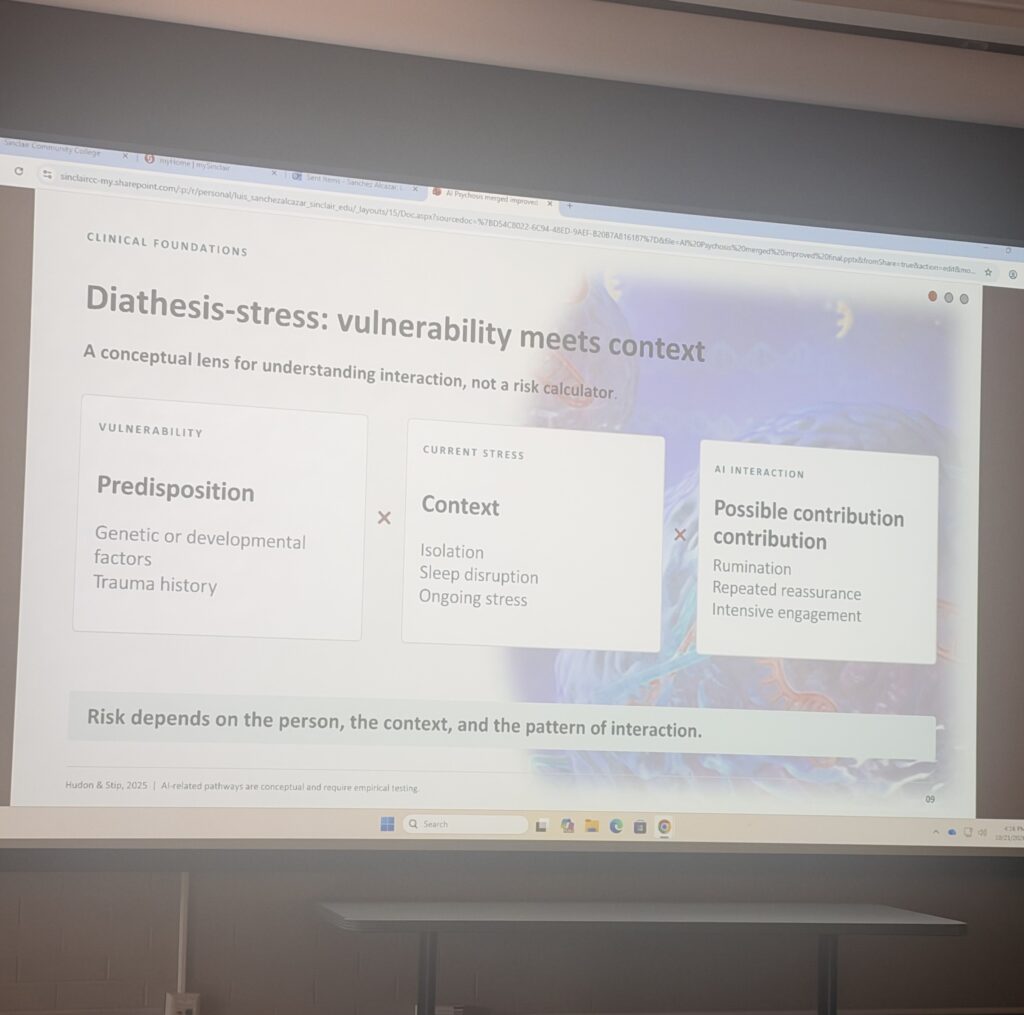
The discussion covered the anthropomorphism of artificial intelligence and how it can blur the line for interaction for someone who is prone to psychotic behavior.
Throughout the presentation, subjects such as sycophancy and the diathesis stress model were discussed.
“We create this false relationship,” Wells said. “When it is really binary numbers.” These LLMs are designed for a high satisfaction rating, not to give people facts.
Research has depicted chatbots not implementing safeguards when presented with concerning subject matter.
There have been cases where young teens have taken their lives after engaging in troubling conversations with AI chatbots.
An uncanny new phenomenon was showcased on My Strange Addiction, where a woman proudly displayed her relationship with her AI boyfriend, Sinclair.
Wells explained that the next colloquium covering this subject may highlight these new relationships that have formed because of human-AI interaction.
For some modern college students, AI is integrated into coursework. ChatGPT can be used to create study guides, explain complex math problems, and students have even used AI to cheat on assignments.
While a chatbot may use intricate language or sound as if it is trying to comfort someone, it is important to approach the AI as a tool and nothing more.
Josofine Addison, staff writer
Check out more from The Clarion:
- As AI usage grows, psychology faculty examine its effects on mental health
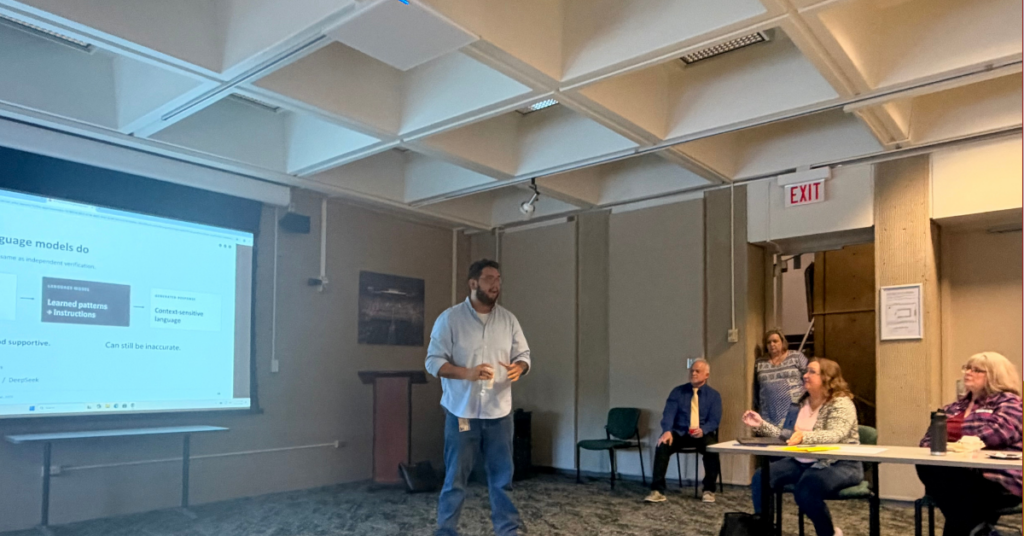 “As new technology emerges, we have new types of delusions being recognized,” said Luis Sanchez Alcazar, assistant professor of psychology. … Read more: As AI usage grows, psychology faculty examine its effects on mental health
- Annual art sale returns with student-made treasures
 When students enter the Burnell R. Roberts Triangle Gallery, they will find a space that blends an art gallery with… Read more: Annual art sale returns with student-made treasures
- Sinclair Community Bands kick off 2026-2027 concert season
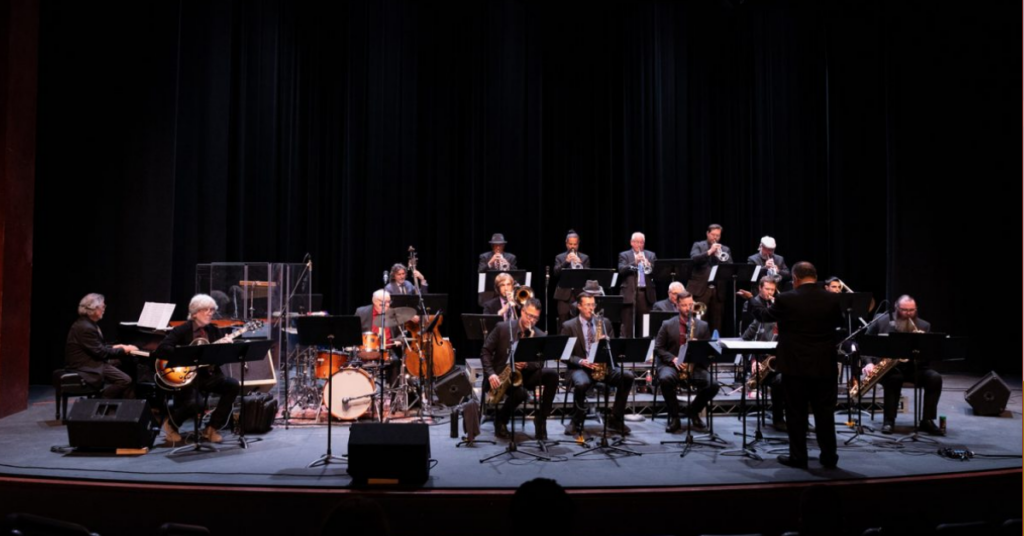 The Sinclair Music Concert Season 2026-2027 begins on October 25 with the Sinclair Community Bands Concert. Community Bands are made… Read more: Sinclair Community Bands kick off 2026-2027 concert season
- Ghost ‘n Goblin 5k headed for Centerville campus
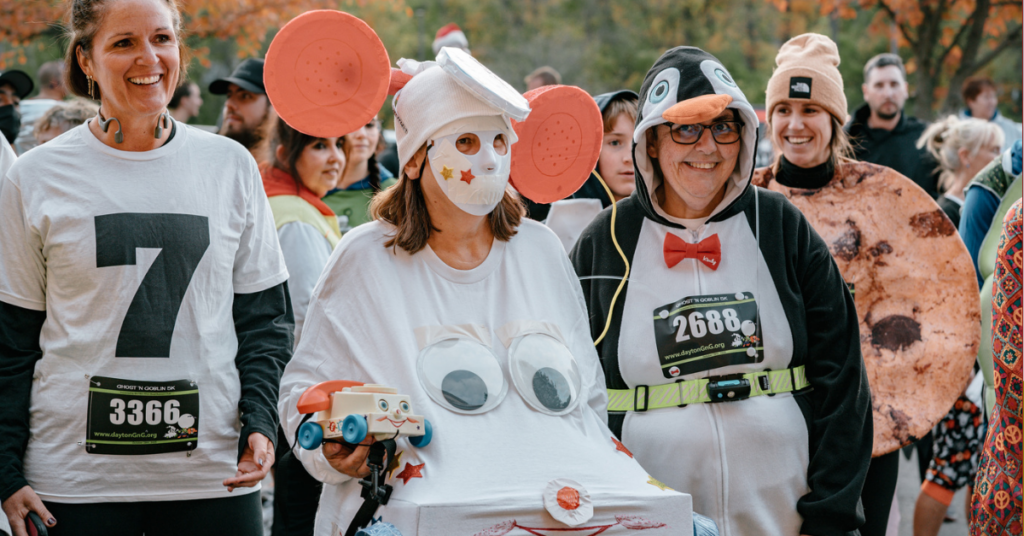 The Ghost ‘n Goblin 5k is an annual fundraiser hosted by the Ohio River Road Runner’s Club that dates back… Read more: Ghost ‘n Goblin 5k headed for Centerville campus
- Sinclair students find community through Dungeons and Dragons
 Deep within the bottom floor of Building 8 on Sinclair’s Dayton Campus, monsters are slain, foes are vanquished and legends… Read more: Sinclair students find community through Dungeons and Dragons