

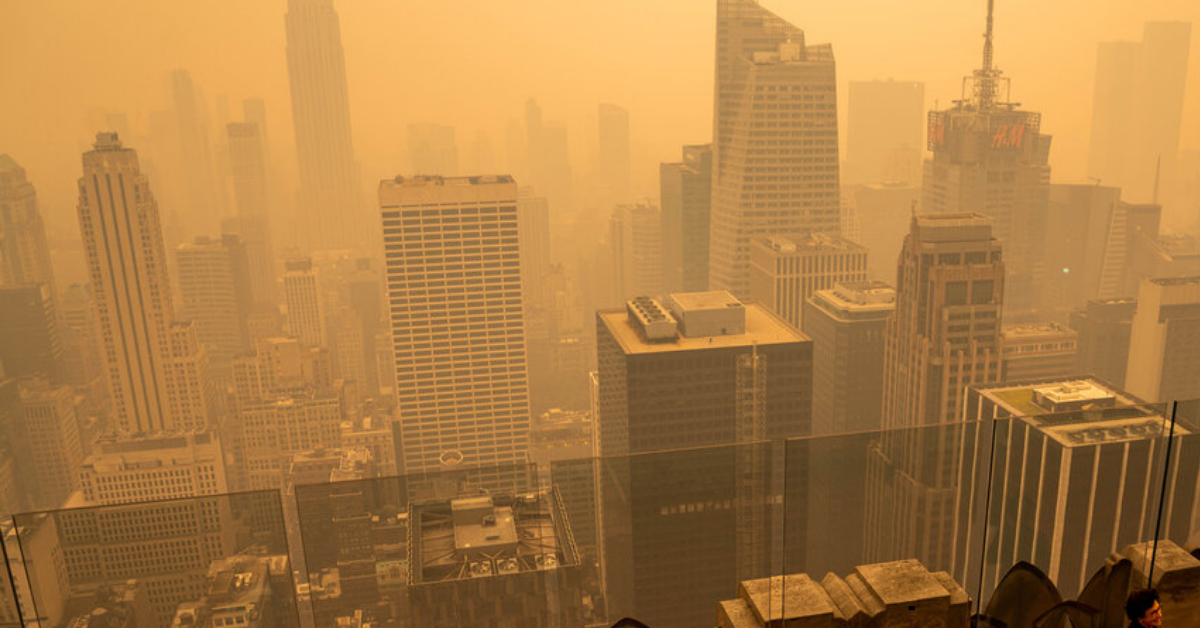
Wildfires continue to rage in Canada and California, causing the air quality index (AQI) to surge across parts of the U.S. People are considered especially at-risk if they have health conditions like asthma, COPD or pregnancy.
Below are some ways to stay safe when the air quality is unhealthy.
Limit time outside.
This is the most common safety tip for poor air quality. Check the AQI before leaving the house and think twice about whether the trip is necessary.
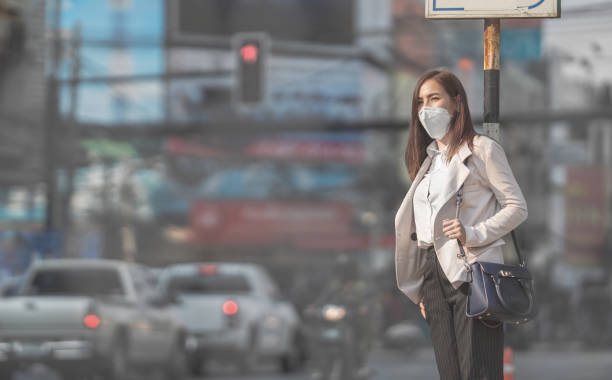
It is advised not to grill or fry food outside if the AQI is high, or to drive a car if it can be avoided. All of these add more pollutants to the air.
If time out of the house is the only option, masking up is advised. N95 or KN95 masks have tighter stitching and better filtration, so they are recommended against fine airborne particles like those from wildfire smoke.
Keep the air clean at home.
The American Lung Association recommends closing and locking all doors and windows to seal off pollutants. If the air quality is extremely poor or if one’s family members are part of a sensitive group, creating a “clean room” can provide extra protection.
Turning on an air conditioner’s recirculation setting helps limit pollutants by pulling air from inside the house instead of outside. Consider getting an air purifier and changing the house’s air filter if needed.
Avoid using the oven, lighting candles, burning incense or smoking inside.
Find healthy ways to manage the stress.
Air quality affects everyone, and it is normal to experience feelings of stress in a hazardous environment. There are simple ways to support oneself until the danger passes–which it will.

Hydration is crucial to supporting one’s health, especially when the heart and lungs are already working harder to account for toxins being inhaled. Coconut water and hot teas containing a boost of electrolytes are especially helpful for flushing the system.
The body does its best healing in a state of rest, so this can also be a good time to meditate or catch up on reading.
Ohio’s air quality is typically considered good to moderate, but may become less predictable as wildfire seasons become more severe. Building good habits can help people all over the country prepare for these continually changing patterns.
Hannah Kichline, executive editor
Check out more from The Clarion:
- Dolly Parton’s Imagination Library supports more than 40,000 kids in Dayton
 The passing of Dolly Parton has inspired millions around the world to celebrate her life and legacy. Mourners include fans… Read more: Dolly Parton’s Imagination Library supports more than 40,000 kids in Dayton
 - 5 ways to get involved on campus this September
 The beginning of a new semester is a great time to take the initiative and meet new people one way… Read more: 5 ways to get involved on campus this September
 - MyVoice: Genre stigma and book challenges make reading its own resistance
 The cultural wave of anti-intellectualism has taken the world by storm, reshaping how communities talk about books, literacy and who… Read more: MyVoice: Genre stigma and book challenges make reading its own resistance
 - More than 90,000 affected by devastating flood in Nepal
 A massive flash flood occurred on Aug. 26 around the Bhote Koshi-Lhende Khola River system in Rasuwa District in northern… Read more: More than 90,000 affected by devastating flood in Nepal
 - Sinclair, many community colleges see increased enrollment
 Sinclair College’s enrollment has steadily grown over the last decade, with 6,200 students making up the graduating class of May… Read more: Sinclair, many community colleges see increased enrollment