
History often remembers the victories of social movements, but just as important are the struggles within them. On June 25, “Celebrating Pride Month: The Lavender Menace” invites students and community members to revisit a powerful chapter of feminist and LGBTQ+ history.
This discussion, led by Emily Krichbaum of the National Women’s History Museum, will explore how lesbian activists fought not only against society’s discrimination but also for recognition within the women’s liberation movement itself.
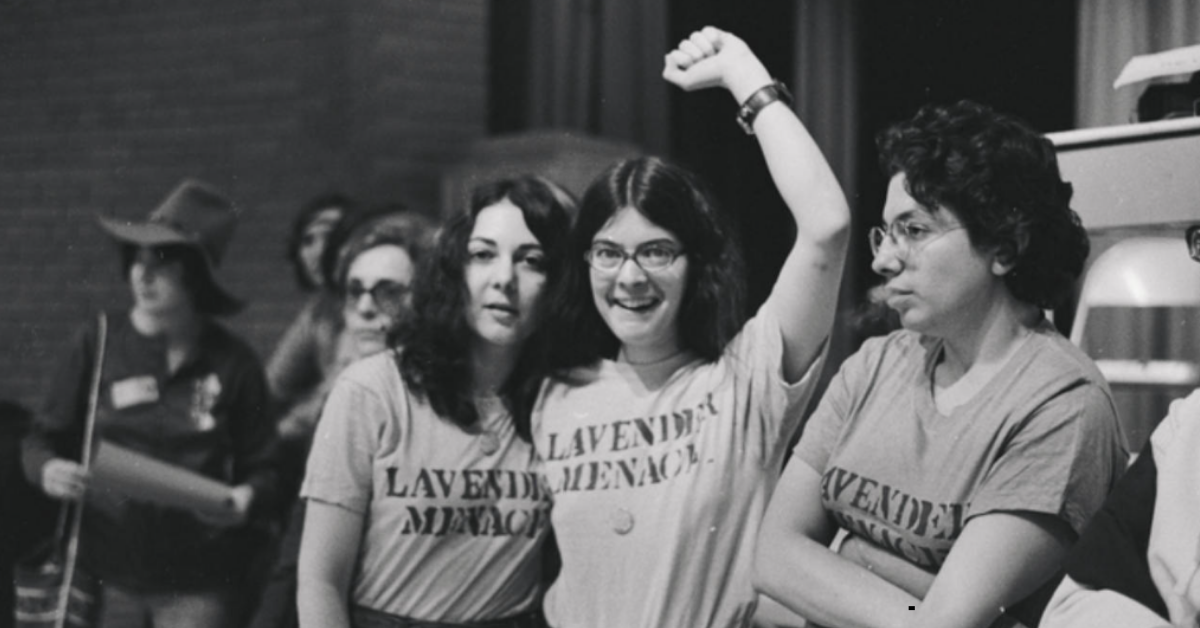
The term Lavender Menace came around the late 1960s when some leaders of the women’s liberation movement worried that public association with lesbians would damage feminism’s image. “Lavender” was commonly linked to homosexuality, while “menace” implied a threat.
Rather than accepting the label as an insult, lesbian activists reclaimed it and transformed it into a symbol of pride and resistance. In 1970, members of the Lavender Menace interrupted the Second Congress to Unite Women, demanding that lesbian issues be recognized within the feminist movement. Their protest helped push feminism toward greater inclusion and became a defining moment of second-wave feminism.
For those unfamiliar with feminist history, historians often describe feminism in “waves.” The first wave, from the mid-1800s to 1920, focused primarily on voting and legal rights for women. The second wave, from the 1960s through the 1980s, expanded the movement’s goals to include workplace equality, reproductive rights, educational opportunities and social freedom.
Later waves emphasized diversity, intersectionality and combating gender-based discrimination. Key activists likely to be featured include Rita Mae Brown, Karla Jay, Martha Shelley, Audre Lorde and Barbara Smith, whose work helped broaden both feminist and LGBTQ+ movements.
By revisiting this history during Pride Month, the June 25 talk serves a deeper purpose: to remind students that progress is never complete without inclusion.
Monsoon Koirala, reporter
Check out more from The Clarion:
- Dayton Poetry Slam says goodbye to Yellow Cab, announces new venue
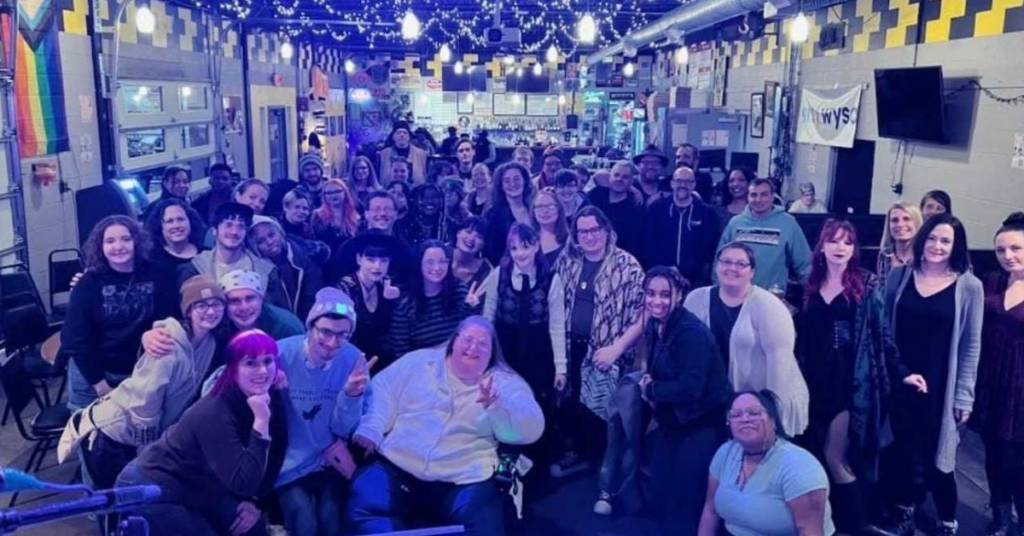 Dayton Poetry Slam (DPS), which has long been held at Yellow Cab Tavern, has chosen its new venue once its… Read more: Dayton Poetry Slam says goodbye to Yellow Cab, announces new venue
 - Constitution Day brings civic education to Sinclair
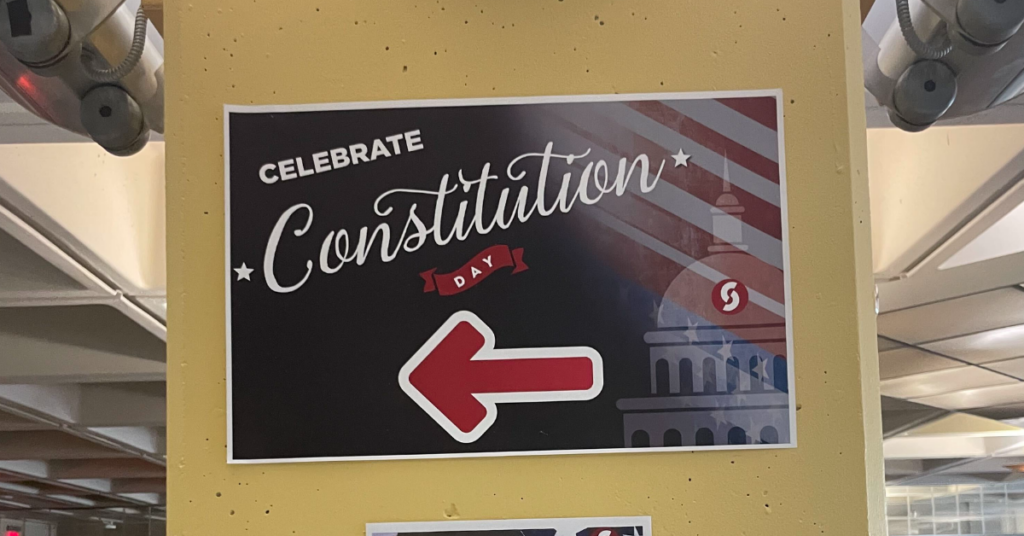 Little pieces of cake, voter registration tables and friendly smiles welcomed each person as they entered. On Sept. 15, from… Read more: Constitution Day brings civic education to Sinclair
 - League of Women Voters brings voting resources to Sinclair
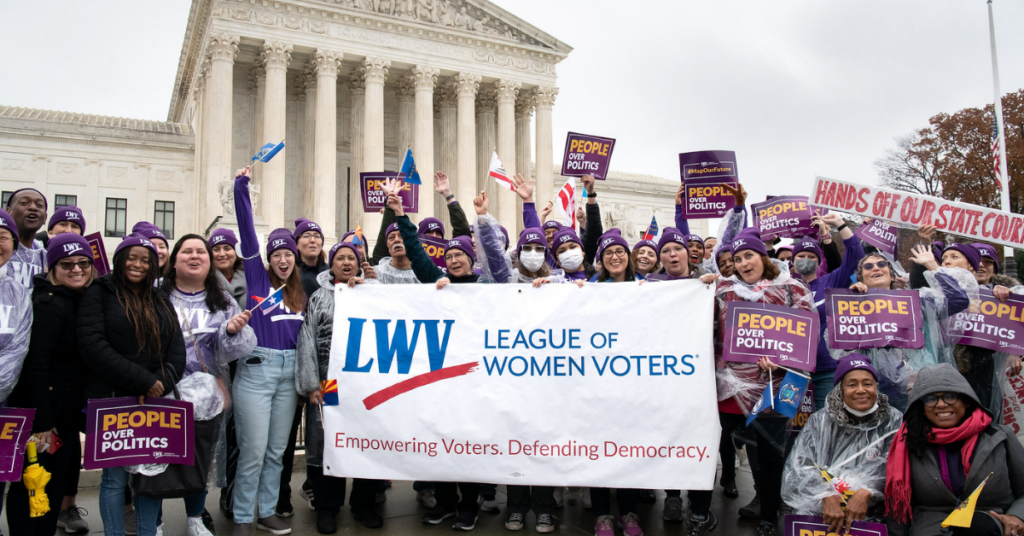 The League of Women Voters of Ohio will visit Sinclair College on Sept. 24 from 9 a.m. to noon as… Read more: League of Women Voters brings voting resources to Sinclair
 - Hispanic Heritage Month celebrates culture across Sinclair and Dayton
 Hispanic Heritage Month begins on Sept. 15, honoring Hispanic and Latino history and contributions to society. It is celebrated throughout… Read more: Hispanic Heritage Month celebrates culture across Sinclair and Dayton
 - Heidi Arnold receives first Mary Evans Scholarship
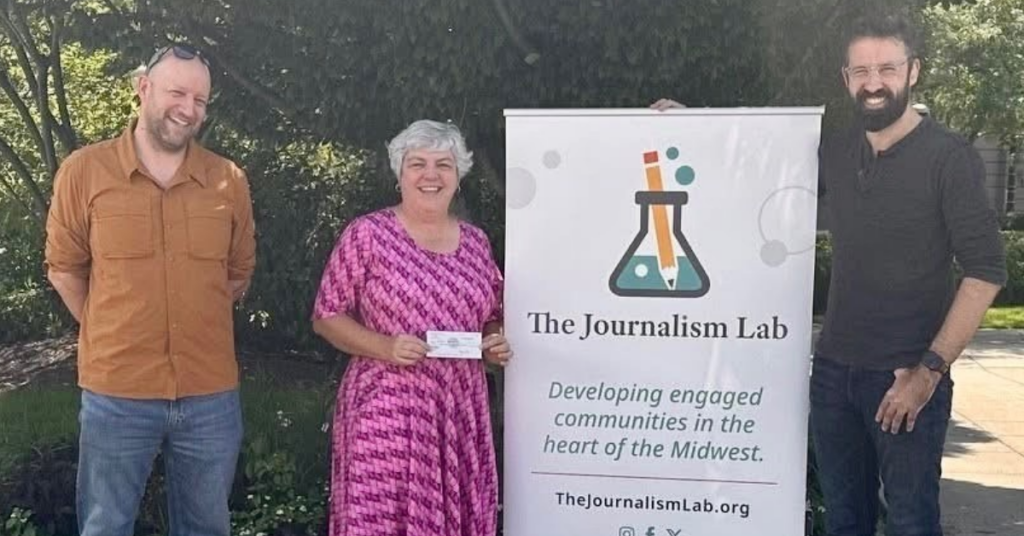 The Journalism Lab in Dayton is a nonprofit that helps regular citizens learn the craft of reporting and community journalism.… Read more: Heidi Arnold receives first Mary Evans Scholarship