

July 2026 ended on a high for Ohio, but not in the way one might expect.
“Cyclosporiasis season,” which typically runs from May to July, sees an average of less than 1,000 cases per year. That record has been shattered this summer with more than 18,000 cases reported in the U.S. and nearly a quarter of those coming from the buckeye state.
The Midwest has been hit particularly hard, with Michigan leading in numbers and Ohio coming in second.
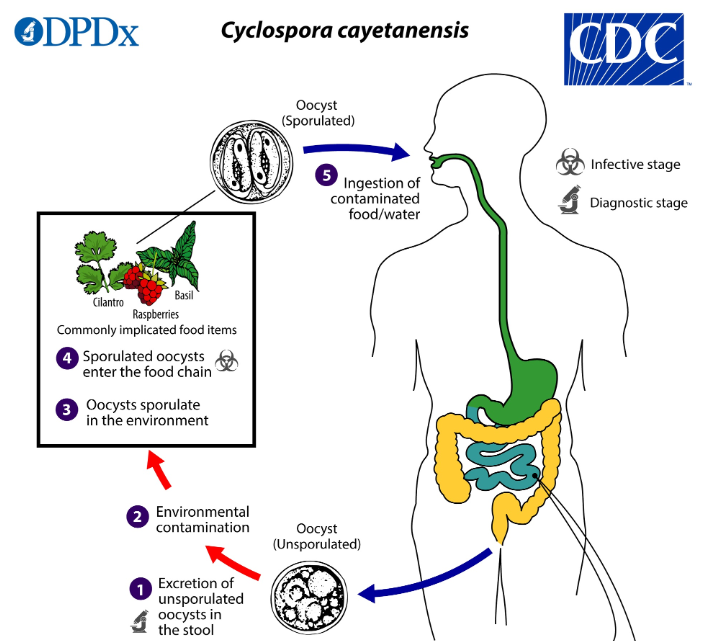
Cyclosporiasis is caused by consuming an intestinal parasite that can live on produce such as lettuce, herbs and berries. Officials say the most likely culprit is pre-washed produce, as the parasite can also live in water and affect large quantities of food.
The FDA previously announced that it had determined Taylor Farms produce as the source of the outbreak, but then retracted the statement, saying the test had given a false positive.
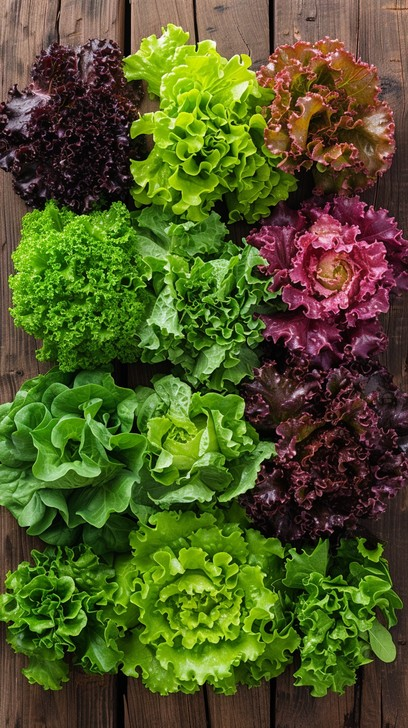
Taylor Farms supplies lettuce to many U.S. brands including Walmart, KFC, Pizza Hut, McDonald’s and Taco Bell.
Taylor Farms has recalled its iceberg lettuce sourced out of central Mexico. Weeks later, experts are still unclear on the outbreak’s origins.
Cyclosporiasis is relatively difficult to track as many people may assume they have a stomach virus and not report it.
Compared to other foodborne illnesses, it has a long incubation period, taking more than a week to show symptoms on average. The parasite also cannot be replicated in a lab and does not reliably show up on average fecal tests.
While the illness typically resolves on its own, doctors recommend seeking medical help if diarrhea is severe, long-lasting, or accompanied by dizziness, dehydration or extreme fatigue.
In the most recent development, the CDC has dispatched a team of “disease detectives” to Ohio. The team will spend about three weeks interviewing infected people to find shared exposure histories and identify areas where the illness is striking hardest.
Hannah Kichline, executive editor
Check out more from The Clarion:
- Heidi Arnold receives first Mary Evans Scholarship
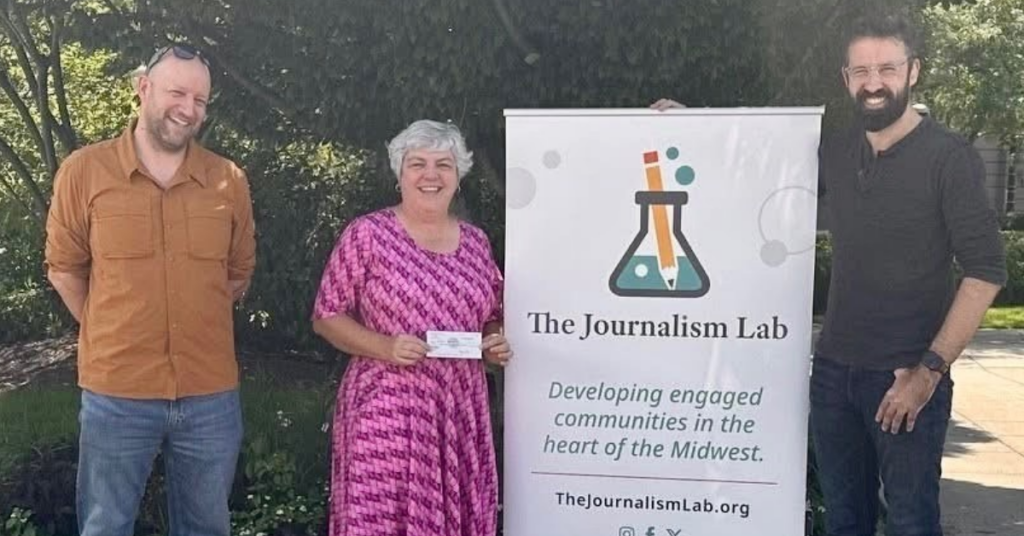 The Journalism Lab in Dayton is a nonprofit that helps regular citizens learn the craft of reporting and community journalism.… Read more: Heidi Arnold receives first Mary Evans Scholarship
 - Clarion Cuisine: Flavor House lives up to its name
 This month’s featured restaurant moved locations last year, but retained all that made it stand out in Dayton’s culinary scene.… Read more: Clarion Cuisine: Flavor House lives up to its name
 - Editorial: AI is not journalism
 A computer can never be held accountable, therefore a computer must never be allowed to make a management decision.” The… Read more: Editorial: AI is not journalism
 - Tartan Spotlight: Nadine Cichy
 Nadine Cichy has served as a communication faculty member at Sinclair College, and on Aug. 17 she assumed a new… Read more: Tartan Spotlight: Nadine Cichy
 - YourVoice: Students weigh in on campus parking
 Throughout the academic year, parking is available for all students at the downtown campus. There are often mixed opinions about… Read more: YourVoice: Students weigh in on campus parking