
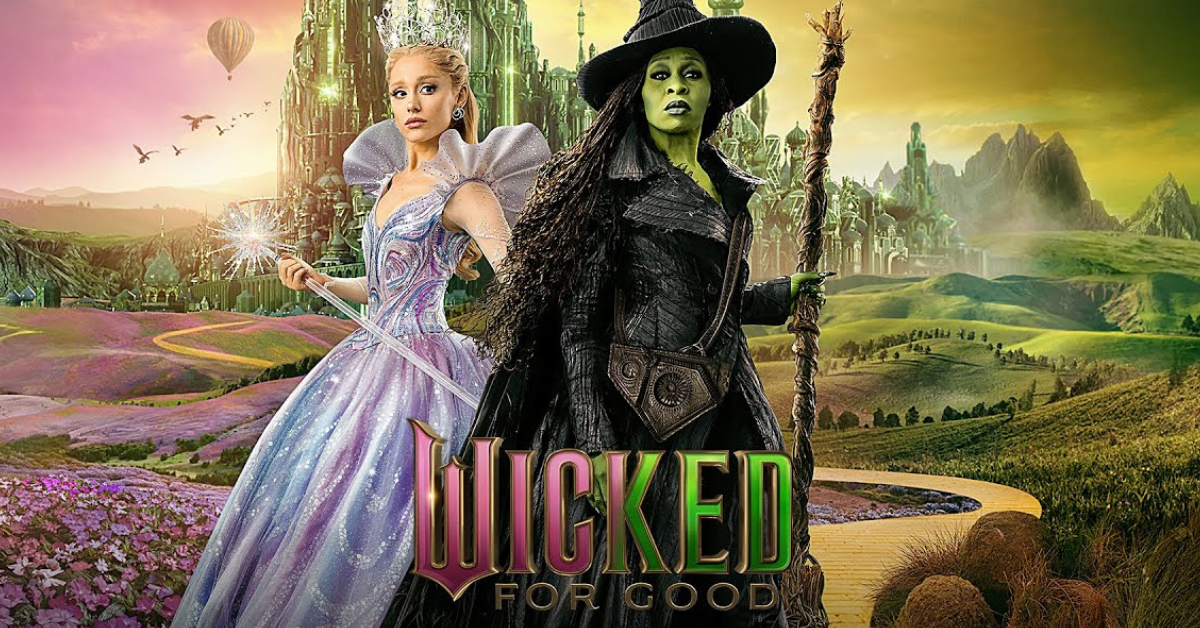
“Wicked” has been a beloved musical staple since it first premiered in 2003, making it one of only four Broadway plays ever to hit the 20-year milestone.
Now in the show’s ripe old age, the release of the movie adaptation has attracted throngs of new (sometimes unsuspecting) fans. But along with the flood of affection has also come annoyance and mockery toward the franchise.
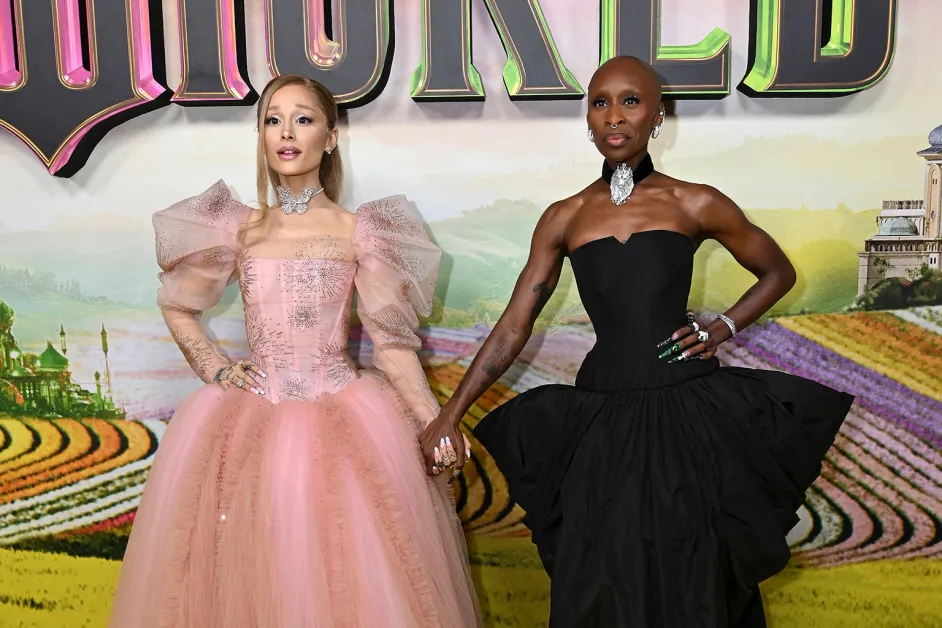
If you are on the Internet for any amount of time, it’s nearly impossible for your feed to be untouched by “Wicked.” Stars Cynthia Erivo (the “wicked witch” Elphaba) and Ariana Grande-Butera (the pink and perky Glinda) have achieved a unique, almost alien presence online. Their dynamic has mystified viewers throughout their trademark hand-holding, tearful interviews, inspiring endless memes and parodies.
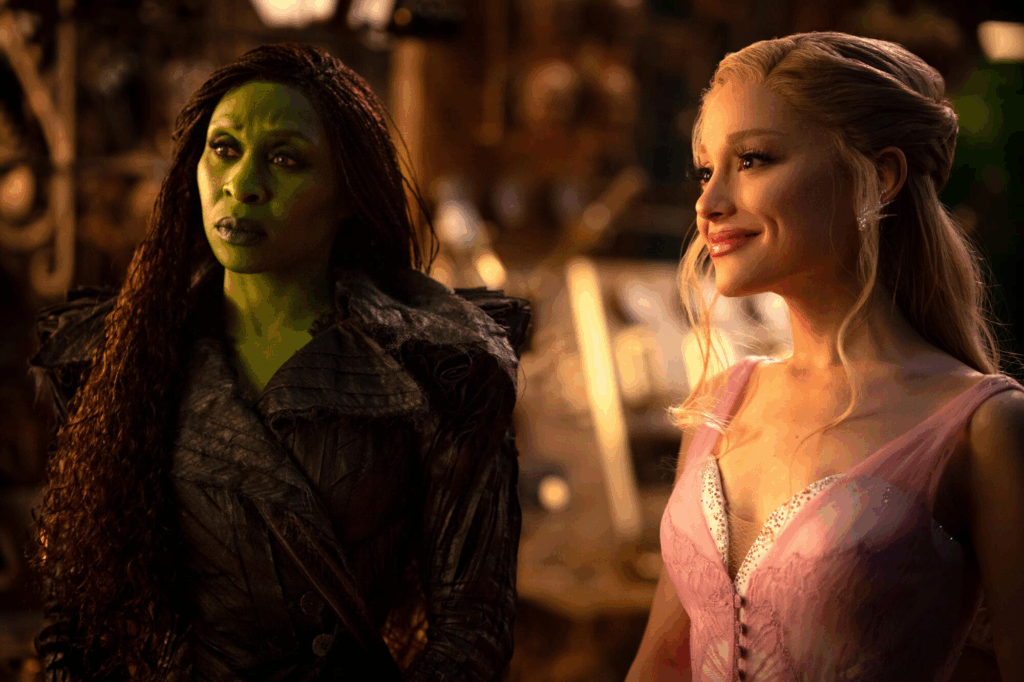
Because of this, it seems that everyone has a bias going into part two. There are a few distinct camps: lifelong fans of the play who will either love the movie no matter what or will never have their expectations met; viewers who were introduced through the first film and hope to have their minds blown again; and people who refuse to give it a fair chance. Wherever you fall on the “Wicked” spectrum, it’s safe to say the show elicits a strong response.
“Wicked: For Good” follows the events of the first film an ambiguous amount of time later, believed by fans to be three to five years. However, it’s important to remember that this is Act II of the same play, not a traditional sequel. Therein lies the first issue with how audiences are receiving the second film: its story arc seems to fall flat.
Thinking of it this way, it’s easy to understand. Act I introduced the characters, developed the world of Oz for modern audiences, and ended on the most literal of high notes as Elphaba soared off into the distance, leaving moviegoers hungry for more. It did nothing but build, build, build–leaving little room for Act II to expand any further.
This is a well-known occurrence on Broadway: the first act of a play is typically longer and more fun, setting the stage for Act II to wrap up all of the storylines introduced.
This could be chalked up to “For Good” being devoutly beholden to the source material, but that doesn’t feel like a satisfying answer. The first film showed no reluctance to linger in moments that lengthened songs and allowed emotion to build. The second seemed to drag in all the wrong places; for example Glinda’s repetitive opening number, “I Couldn’t Be Happier,” went on way too long.
Another common complaint is that the pacing felt strange, rushed and at times, even lazy. There were moments throughout the movie, particularly whenever Dorothy’s storyline came into play, that left me with a feeling of, “Wait, that was it?” The editing skipped major parts of the familiar narrative, disappointing fans who were looking forward to more of the parallels that make the show so compelling.
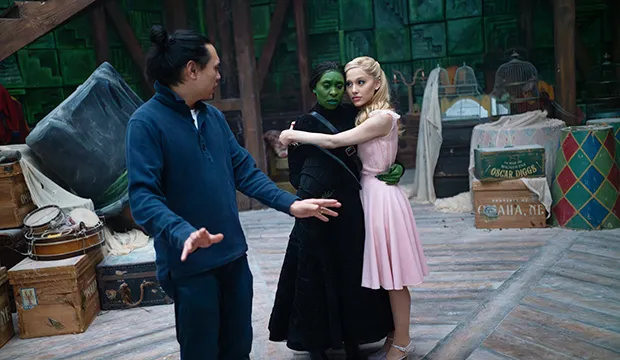
In fact, Dorothy never faces the camera and the audience only hears her voice once or twice. Director Jon M. Chu addressed the vagueness of her character in an interview with Variety magazine, saying he “wants everyone’s Dorothy to be whatever Dorothy they want.”
At times, one of the central themes was also poorly executed, with characters oscillating between “good” and “bad” morality instead of delving into the complexity within the two. They appeared to make quick decisions without any remorse, such as when Fiyero and Elphaba ran off together and left a heartbroken Glinda behind. Given that Fiyero and Glinda were about to be married and that we know how much “Elphie” loves her friend, I would have expected more conflict about the decision on her part.
Even when the house is dropped on Elphaba’s sister, there was a lack of emotion aside from a quick kneel before the wreckage. This scene felt, for lack of a better term, weird. It was as if Nessa Rose’s death served only as a detail and gave the two leads one more thing to bicker about.
With all that said, “Wicked: For Good” was certainly “changed for the better” at certain points, mainly thanks to the cast.
Every one of the actors did an incredible job, down to the details of portraying their characters as older. Not only due to the make-up and costume departments (which deserve rave reviews of their own), the characters truly seemed bogged down and driven to near-madness. They are no longer the wide-eyed, fun-loving innocents we got to know in Act I. This is even more impressive considering the movies were filmed at the same time.
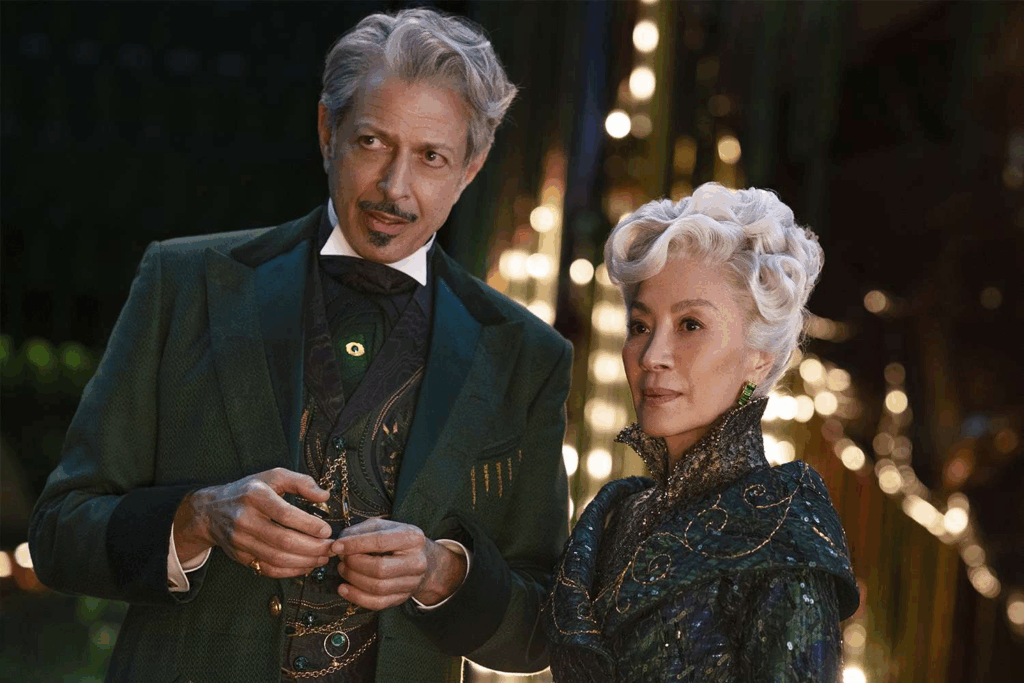
Villains Jeff Goldblum (the “wonderful wizard”) and Michelle Yeoh (sorceress Madame Morrible) were unsurprisingly delightful. They both thrived in their roles, with Goldblum wholly embracing the campy conman and Yeoh unleashing her character’s full powers of manipulation.
Erivo’s portrayal of a now fully realized Elphaba was nothing short of spellbinding, and though there are not as many iconic musical numbers as in the first act, she flew to the rescue with “No Good Deed.” Her vocal control, especially performing a song so emotionally and technically complex, was unforgettable. This explosive cinematic moment was one of just a few that carried a similar tone to the first film.
It was hard not to get emotional during the movie as well. In an effort to inspire persecuted animals to stay and fight for Oz, Elphaba delivers “No Place Like Home,” a particularly timely song in a climate of government crackdowns and political arrests. This was a theme the production got right: the propaganda machine against Elphaba was terrifying and felt unbeatable.
Grande-Butera got more opportunities to flesh out Glinda’s character in this film and is also an incredibly convincing crier; it was impossible not to feel for her. Her signature improvisations (such as grabbing and stroking Elphaba’s hand during their rendition of “For Good”) show how immersed she had become in this world, after years of being a fan of the play herself.
With a skillful cast and exquisite set design, “Wicked: For Good” is definitely worth seeing. But viewers should take care to remember that it is neither a sequel nor a standalone production: it is the controversial conclusion of an “unlimited” cultural phenomenon.
Hannah Kichline, multimedia editor
Check out more posts by the Clarion:
- PHOTOS: Students, staff and community members gather to celebrate MLK Day
- Centerville campus to host community blood drive
- Dayton Journalism Summit coming to downtown library
- Sinclair students kick off the semester at Welcome Week Bash
- MyVoice: Art Nowadays is Bad – Or is it?