
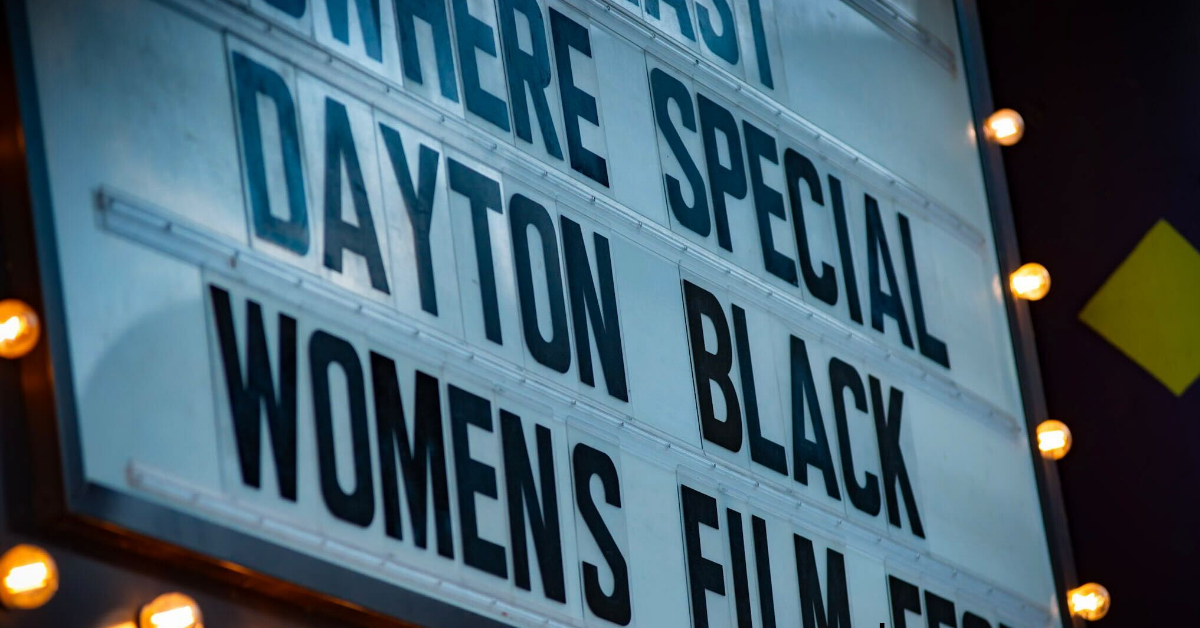
The third annual Dayton Black Women’s Film Festival will return to The Neon May 21-24 for four days of films celebrating Black women filmmakers and storytellers. Founded by filmmaker Angelina Mitchell, the festival has quickly grown into a unique space for artists and audiences in Dayton to connect through film, representation and community.
Mitchell said the idea for the festival came from her own experiences in film school, where she often felt isolated as the only Black student and Black woman in her production classes.
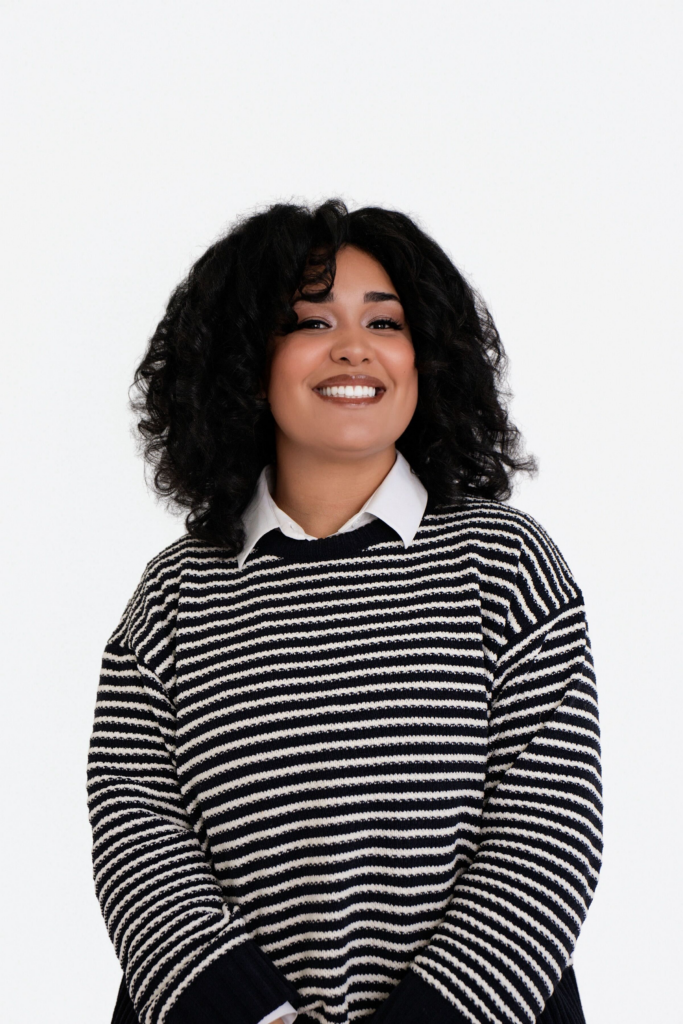
“I wanted to create a space where I could feel connected, where I could meet other Black women filmmakers, where I could show my work and people would understand it,” Mitchell said. “The root of Dayton Black Women’s Film Festival is really rooted in not feeling so welcomed, and wanting to create a space where Black women filmmakers could feel welcome.”
Although Dayton is home to several film festivals, Mitchell said she noticed there was not a festival specifically centered on Black women filmmakers. She believed the city’s creative community made it the perfect place to build something new.
“We’re not called the Gem City for no reason,” Mitchell said. “I think [Dayton is] a really special place with a lot of talented people, a lot of artists that get overlooked or don’t get the spotlight that they deserve.”
The support from the community became clear immediately when the festival sold out during its first year. Mitchell said she was surprised by how quickly audiences embraced the event.
“I was so appreciative,” Mitchell said. “I’m still just grateful of the support that I’ve gotten thus far.”
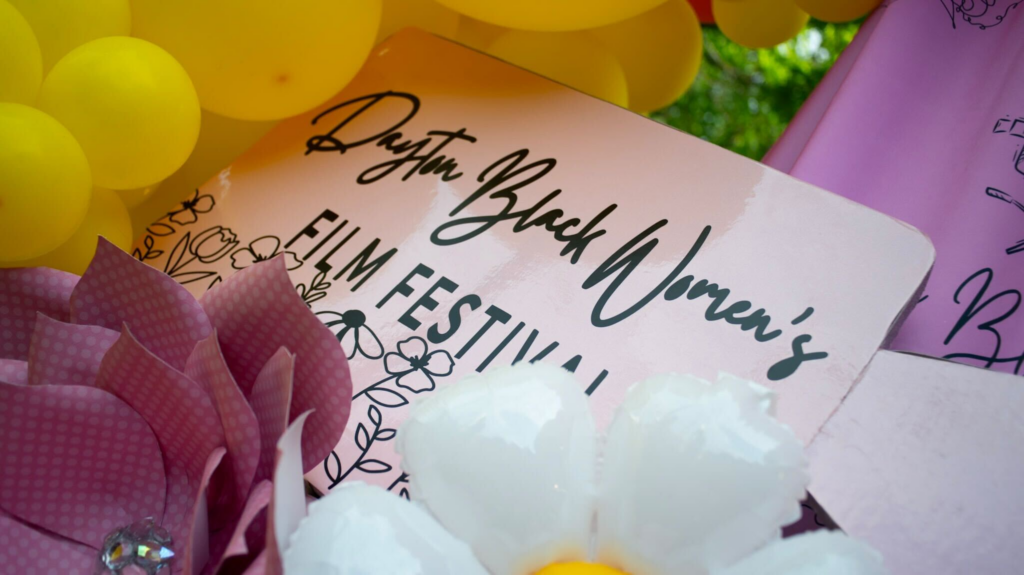
This year’s theme, “Black Women Educating Through Film,” reflects the films Mitchell selected for the lineup and the impact they have had on her personally. She said Black women filmmakers often use storytelling to educate audiences and shine a light on experiences that are often ignored.
“I think Black women are some of the greatest storytellers that there will ever be,” Mitchell said. “We’re always trying to tell a story, to inform somebody or make someone see something that they’ve never seen before.”
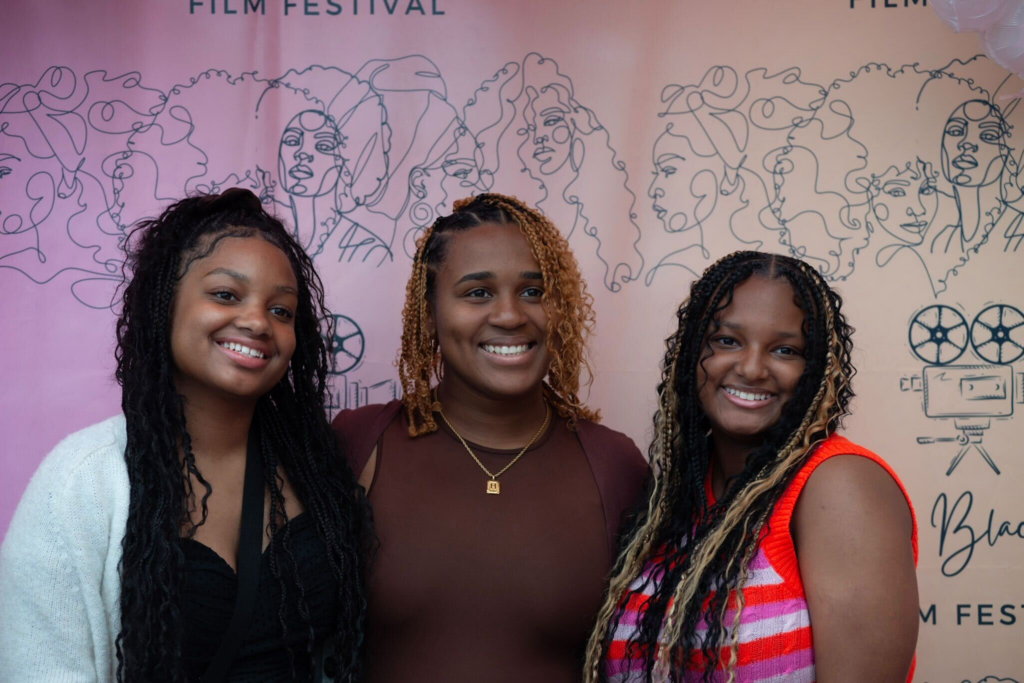
The festival’s lineup includes short films from across the U.S. and even an international film from Africa. Mitchell said she wanted audiences to experience a variety of perspectives and stories through the screenings.
One of the most heavily featured parts of this year’s festival is a tribute to actress Barbara O., a Dayton native, whom Mitchell described as a pioneer for Black women in film. The festival will screen “Diary of an African Nun,” directed by Julie Dash, as well as “A Powerful Thang,” which was filmed in nearby Yellow Springs and is celebrating its 35th anniversary this year.
Mitchell explained that Barbara O. and Julie Dash were both connected to the L.A. Rebellion movement, a group of Black UCLA film students who challenged stereotypical portrayals of Black people in cinema by creating films that reflected their own experiences and identities.
“Barbara O., every character you see her play, everything that she embodied as a Black woman really has been a rebellion against all of the caricatures and stereotypes that they have tried to put on us throughout the history of cinema,” Mitchell said.
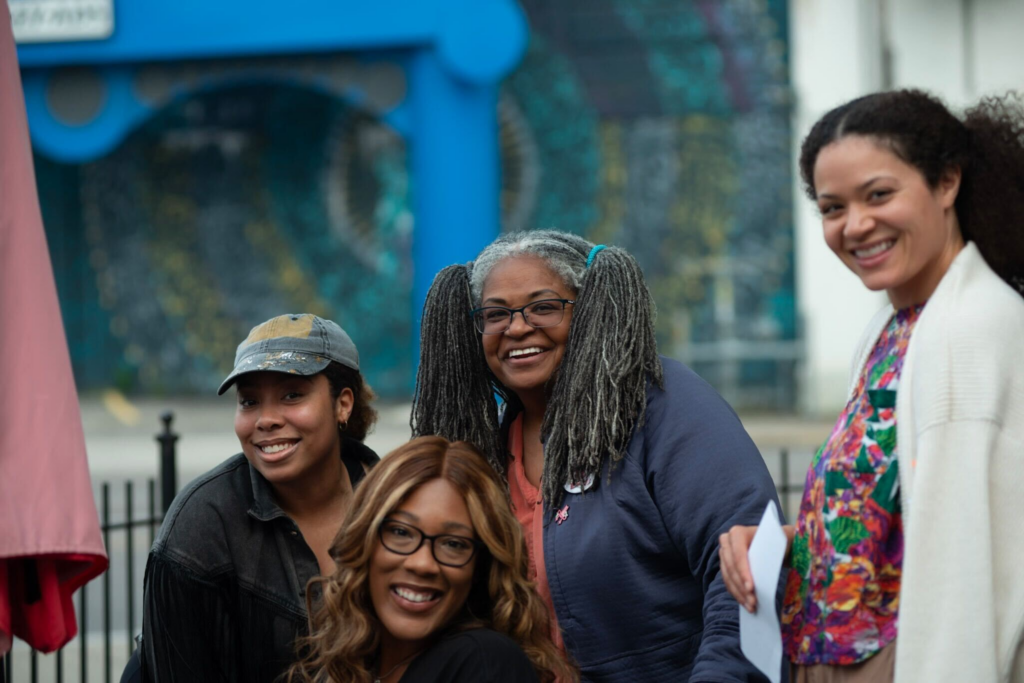
The festival will also celebrate the 30th anniversary of “The Watermelon Woman,” which Mitchell called a life-changing film and an important milestone as the first feature-length film directed by a queer Black woman. In addition to nationally recognized films, the festival will showcase short films from local Black women filmmakers in the Dayton area.
Mitchell said programming the festival comes down to choosing films that feel impactful, original and emotionally connected to audiences.
“It’s just what I can connect to and what I think is exciting and what I think is impactful,” Mitchell said.
She also credited The Neon as an essential part of the festival’s identity, describing the theater as a welcoming community space for underrepresented voices and independent storytelling.
“The Neon is a special place,” Mitchell said. “Everyone’s voice can be heard here.”
Looking ahead, Mitchell hopes the festival continues to grow while inspiring more Black women to create spaces of their own.
“I hope there are Black women film festivals all over,” Mitchell said. “Even if somebody else doesn’t want to see or hear us, at least we want to see and hear each other.”
Jacie Moore, reporter
Check out more from The Clarion:
- League of Women Voters brings voting resources to Sinclair
- Hispanic Heritage Month celebrates culture across Sinclair and Dayton

- Heidi Arnold receives first Mary Evans Scholarship
- Clarion Cuisine: Flavor House lives up to its name

- Editorial: AI is not journalism
