
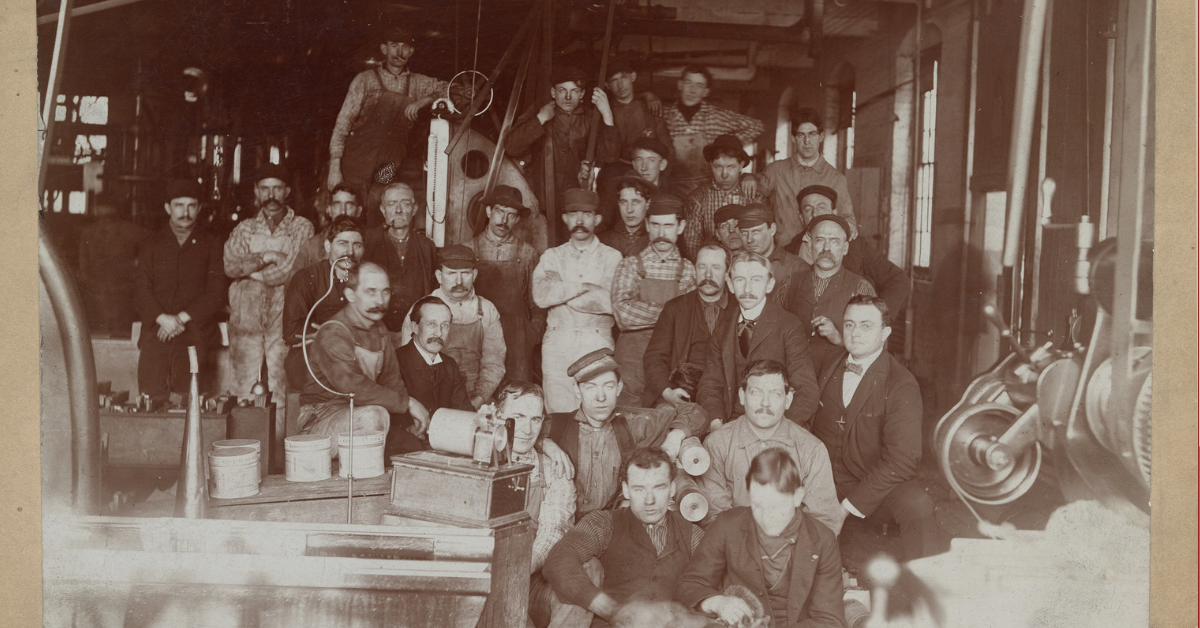
Imagine walking into Sinclair College 140 years ago.
There would be no downtown campus as students know it today, no online classes and no hundreds of degree and certificate programs. Instead, education was taking place inside a Dayton YMCA at 32 E. Fourth St., where students attended evening classes after working during the day.
In 1887, David Sinclair began an educational program through the Dayton YMCA with just two courses: bookkeeping and mechanical drawing.
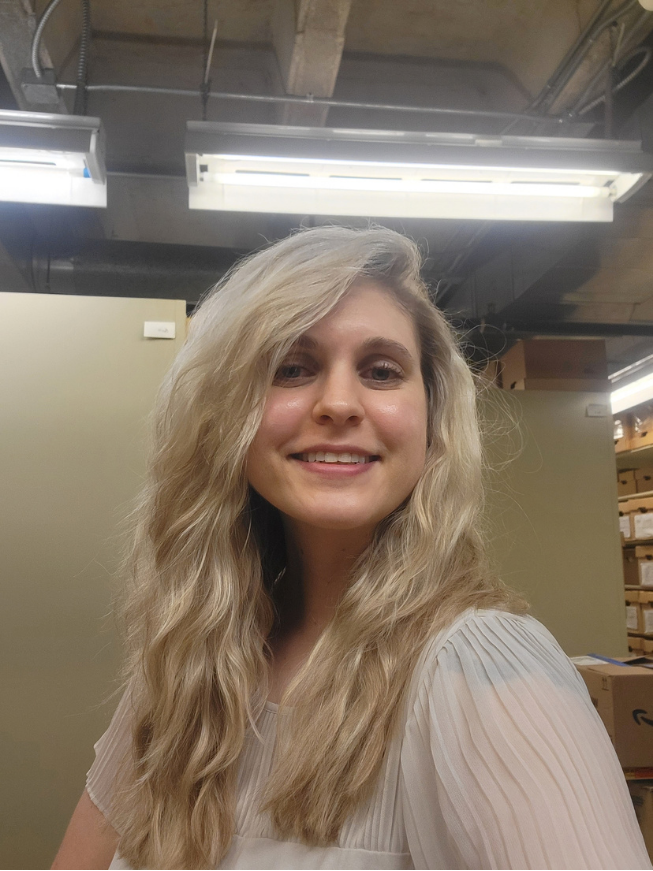
The setting has changed. The technology has changed. The number of students and programs has changed. But College Archivist and Records Manager Shelby Beatty said the reason Sinclair began has remained constant, even 140 years later.
“Today, I just wanted to take the time to look back and reflect on how far we’ve come in 140 years,” Beatty said during her virtual presentation, “Celebrating 140 Years of Sinclair History” on Sept. 23. “I really want to be able to bring the past, present.”
Sinclair came to Dayton in 1874 after attending a YMCA conference. He became secretary of the Dayton YMCA and noticed a gap between unemployed Dayton residents and the skills local employers needed.
He began talking with business and industry leaders, and those conversations became the foundation for Sinclair’s educational program.
“It rapidly developed from there,” Beatty said. “And meetings like this that David Sinclair would have with industry leaders helped develop curriculum, which eventually would lead to full diplomas, two-year programs, four-year programs…so it all started though with these meetings in the community, asking, ‘What do our students need to know for you to hire them?’”
In 1886, ground broke. In 1891, the first diploma was awarded. 1896 to 1897 is when the YMCA decided they needed a larger facility.
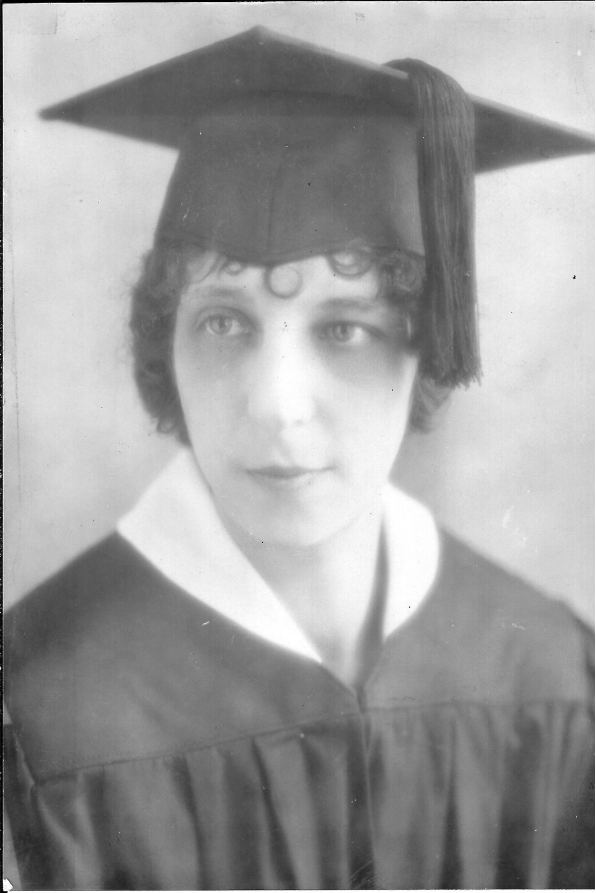
The college continued changing throughout the 20th century. In 1923, the Dayton YMCA Technical School was organized and began offering four-year degrees. In 1925, the YMCA Law School was established, and Gertrude Bonholzer became the first woman to graduate from the Dayton YMCA School of Commerce and Finance with a bachelor’s degree in accounting. In 1930, she graduated with a bachelor’s degree in law.
“She’s a really important figure and important symbol of progress at the college,” Beatty said.
In 1920, women were given full admission to Sinclair courses, the same year the 19th Amendment granted women the constitutional right to vote.
By 1948, the school had another important connection to its founder. It was officially renamed Sinclair College of the YMCA in honor of David Sinclair. In 1965, the school was transformed into a public community college.
While the institution was changing names, locations, and programs, its archives were preserving the evidence of those changes.
Among the collection are about 1,000 glass plate negatives and lantern slides collected during the late 19th century, from David Sinclair and Willard Chamberlain’s travels.
“They sailed to Gibraltar Bay and then sailed and went about Europe mainly through the Mediterranean, from Gibraltar to Jerusalem,” Beatty said. “And along the way were taking photographs and also collecting other glass plates and lantern slides throughout Europe to bring back to the college for coursework and educational purposes.”
The fragile materials provide “such a cool window in time,” she said, although due to their delicate condition, they are not yet broadly available to the public.
Even ordinary photographs can become important historical records, Beatty said. She pointed out a photograph of a math class from 1925. Because someone preserved it, students today can see what a Sinclair classroom looked like a century ago.
The math has not changed, but almost everything surrounding it has, Beatty said.
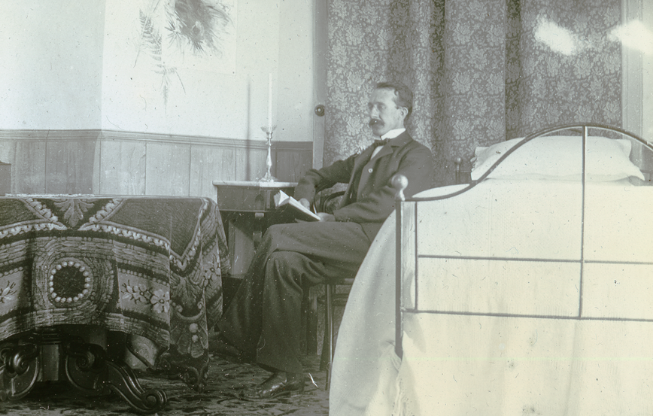
Students once learned with blackboards instead of projectors. Dances, talent shows and other activities appear throughout the college’s history, while the theatre department was not established until 1972.
Yet, looking backward reveals something familiar through the differences, she said.
“We’re all here for the same reasons–to get an education to better ourselves,” Beatty said.
That is what makes Sinclair’s 140-year history more than a collection of old photographs and dates.
The college that began with two classes in a downtown YMCA continues to respond to the educational needs of its community.
Lisa Pinsenschaum, reporter
Check out more from The Clarion:
- The Last Queen brings the comfort of an English pub to Ohio
 The British pub is often romanticized and sometimes imitated in the United States, but rarely is the authenticity of these… Read more: The Last Queen brings the comfort of an English pub to Ohio
- Looking back on 140 years of learning
 Imagine walking into Sinclair College 140 years ago. There would be no downtown campus as students know it today, no… Read more: Looking back on 140 years of learning
- Sinclair Campus Store stops accepting cash
 On Nov. 1, Sinclair College’s Campus Store in Building 7 changed its payment methods. The store, which offers course supplies,… Read more: Sinclair Campus Store stops accepting cash
- Centerville career fair connects students with local employers
 On Oct. 29 the Sinclair Centerville campus hosted a career fair with representatives from over 60 local employers and organizations.… Read more: Centerville career fair connects students with local employers
- Art scholarships give Sinclair students room to create
 Paintings, sculptures and other works of art offer a glimpse into the creativity and perspectives of Sinclair students. Through its… Read more: Art scholarships give Sinclair students room to create