
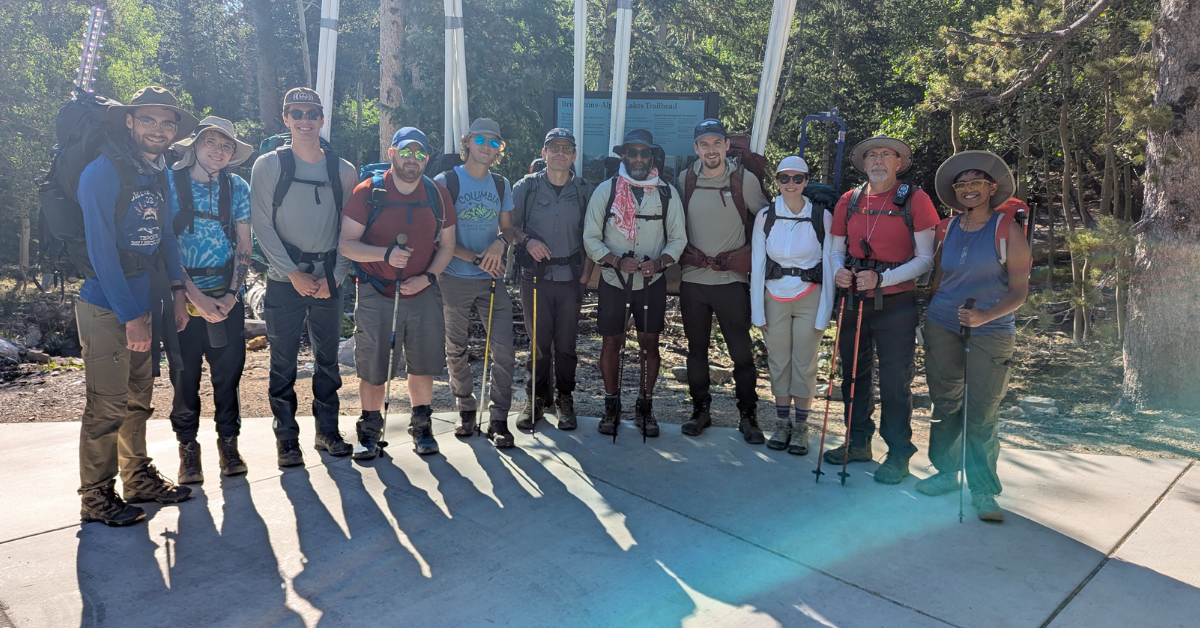
The smell of spruce, fir, pine and sunscreen filled the air as Sinclair geography professor Scott Reinemann and 11 students and colleagues spent 10 days conducting field research in the Nevada desert.
For geography student Colin Neef, the trip to Great Basin National Park from Aug. 3-13 offered an opportunity to experience physical geography beyond the classroom.
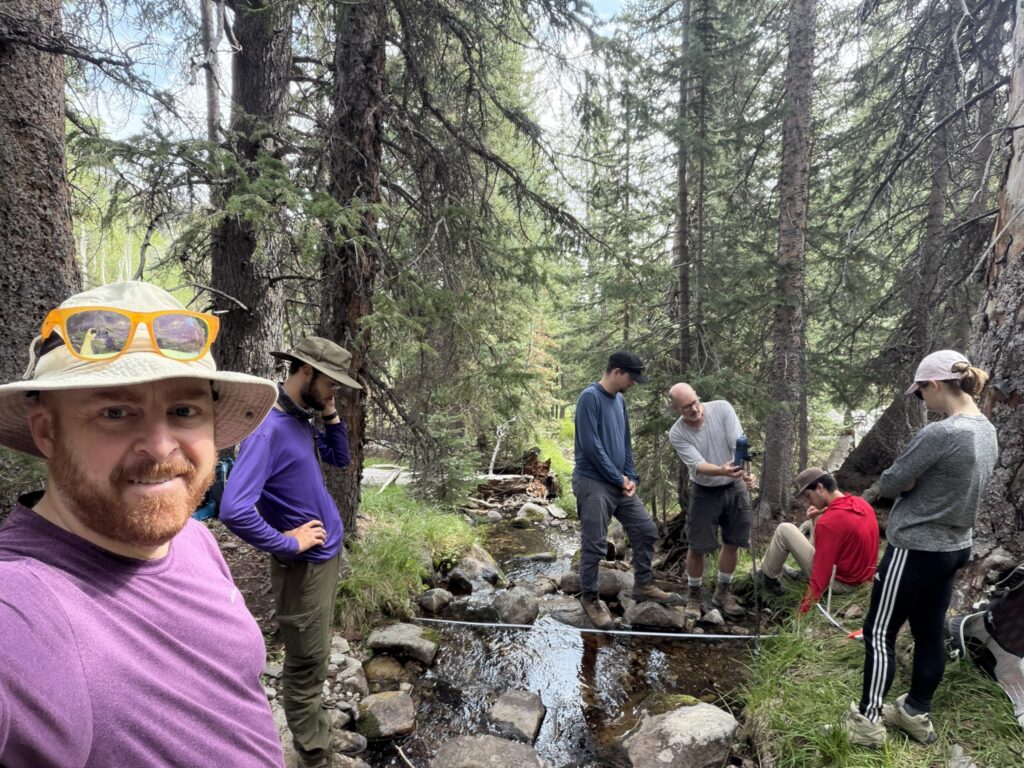
“I’ve been part of it for close to 20 years now, and the amount of students we’ve introduced to physical geography is pretty impressive,” Reinemann said. “And somehow we keep funding and scraping together funds and grants and different things to keep taking students and continue the research.”
This year, the opportunity finally came together thanks to the sociology, geography and social work chair, Dana Johnson, and Dean Myra Bozeman’s support and desire to invest in student travel, Reinemann said.
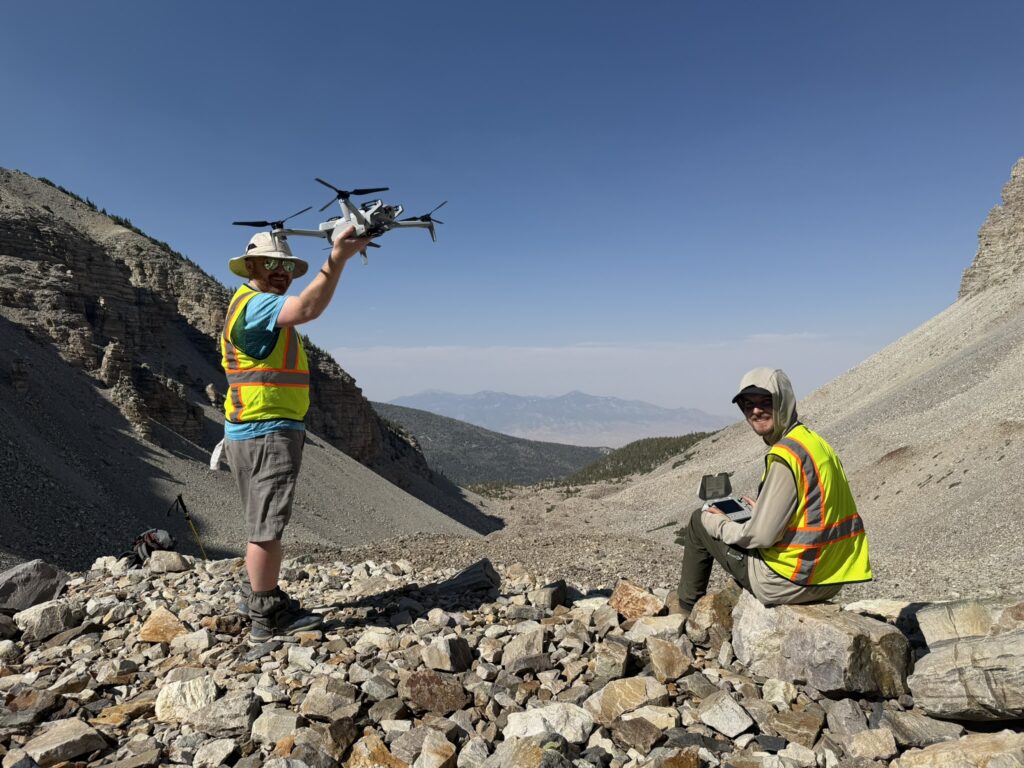
The trip included several research projects, including tree coring to determine the age of trees, water sampling, climate monitoring, and an aerial survey of a rock glacier using drones.
“[Rock glaciers are]…an old remnant glacier that is now covered in rock debris and maybe or maybe not still moving,” Reinemann said. “That’s kind of why we’re doing the survey with the drones.”
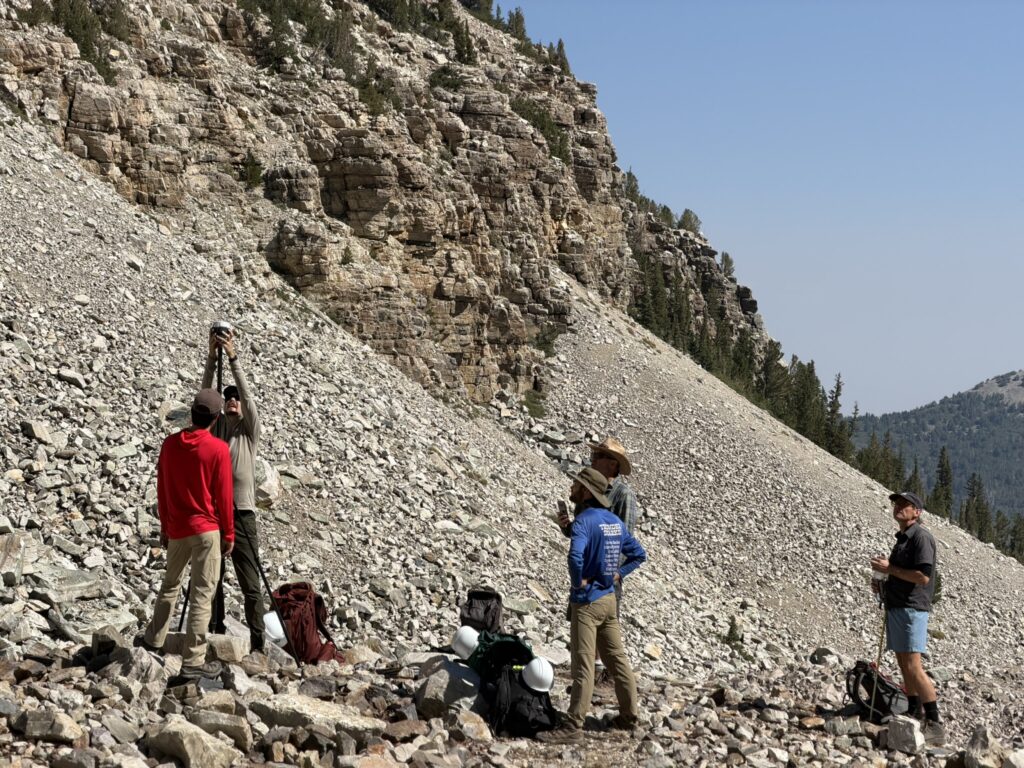
The group also participated in a BioBlitz, a community science event focused on documenting tree distribution in the park. Participants spent one day learning about the subject, another collecting observations and the third compiling the information.
The experience also required students to adapt to the realities of fieldwork. Days could last anywhere from five to 12 hours, with students carrying equipment, hiking through mountainous terrain and working in changing conditions.
Reinemann saw Neef adapt and grow because of this throughout the trip.
“He doesn’t have a personal stake in any of these projects, like a lot of undergrads don’t,” Reinemann said. “One of the things I think I see him and previous students do is they find something that’s interesting to them, and they latch on and they make it their own on the trip. And I think he really did that with tree coring.”
That hands-on experience is essential to studying physical geography, Reinemann said.
The trip also continued a tradition of giving Sinclair students opportunities with larger research projects, developing curiosity and making connections for future study.
“You can study about them in textbooks, you can read about them online, you can look at satellite imagery,” Reinemann said. “But sometimes there’s a term called ground truthing, where you get out there and you actually look at and are involved in the area that you are doing research, whether that’s tree coring or temperature sensors or water resources.”
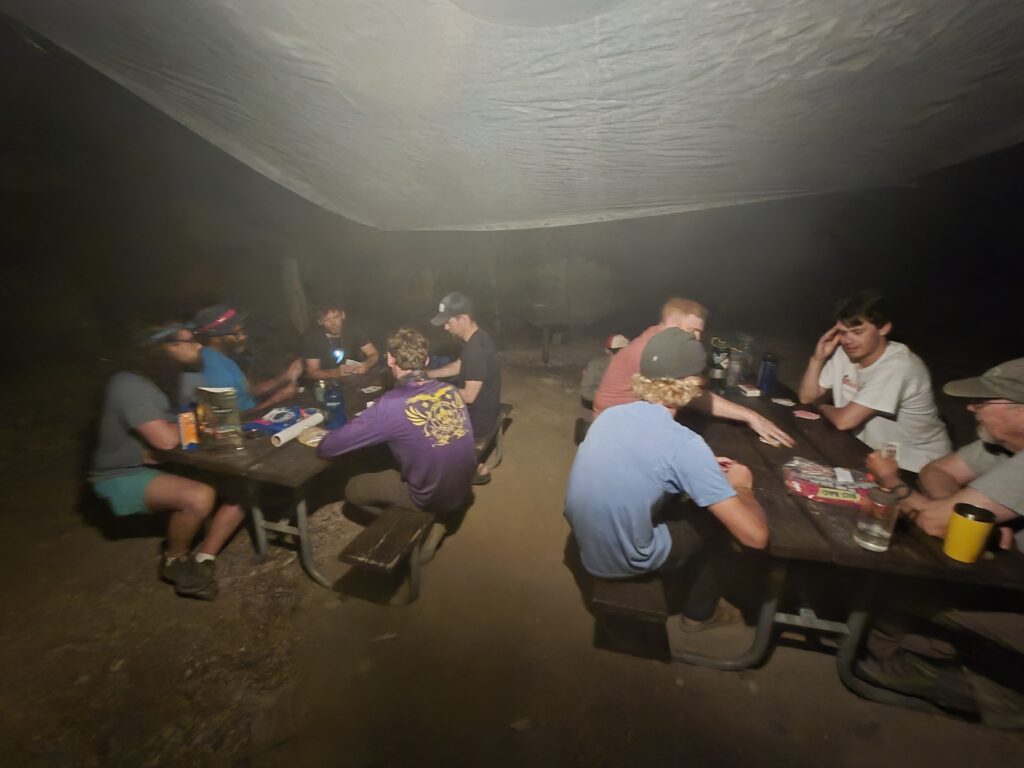
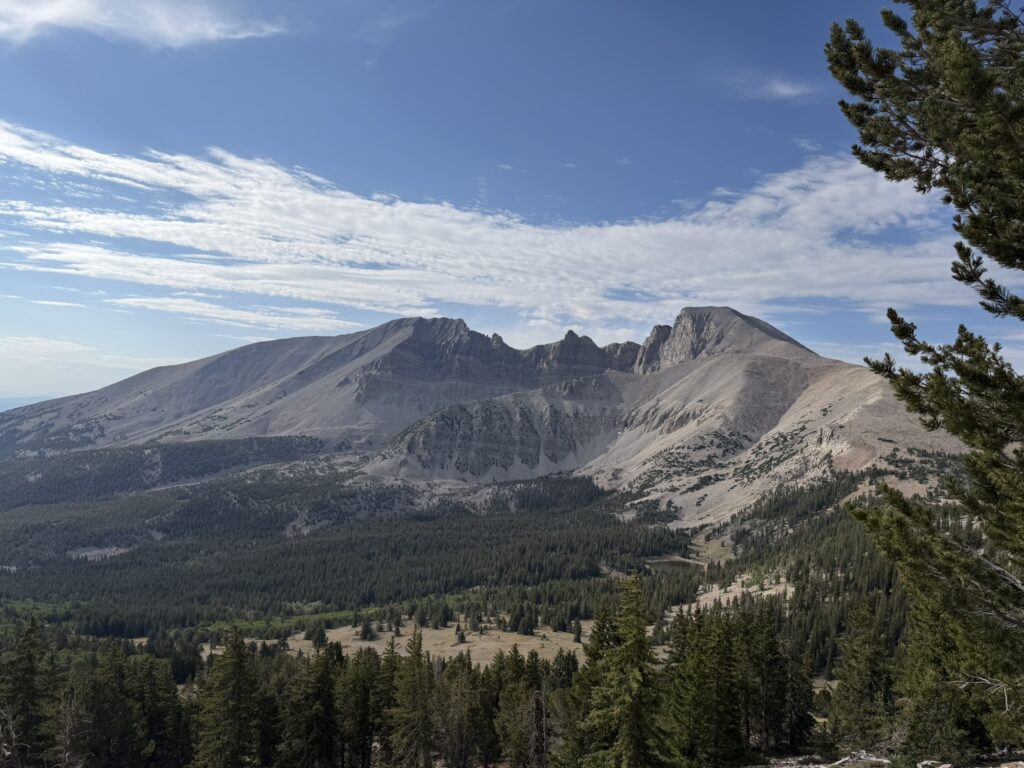
After long days in the field, the group returned to camp to cook, play Euchre and prepare for the next day.
And for Reinemann, the smell of sunscreen is now part of the experience.
“I’m a redheaded kid, and I burn, so I need to put lots of sunscreen on,” Reinemann said. “That smell always brings me back to that place.”
Lisa Pinsenschaum, reporter
Check out more from The Clarion:
- Sinclair’s Theatre Department presents Louisa May Alcott’s “Little Women”
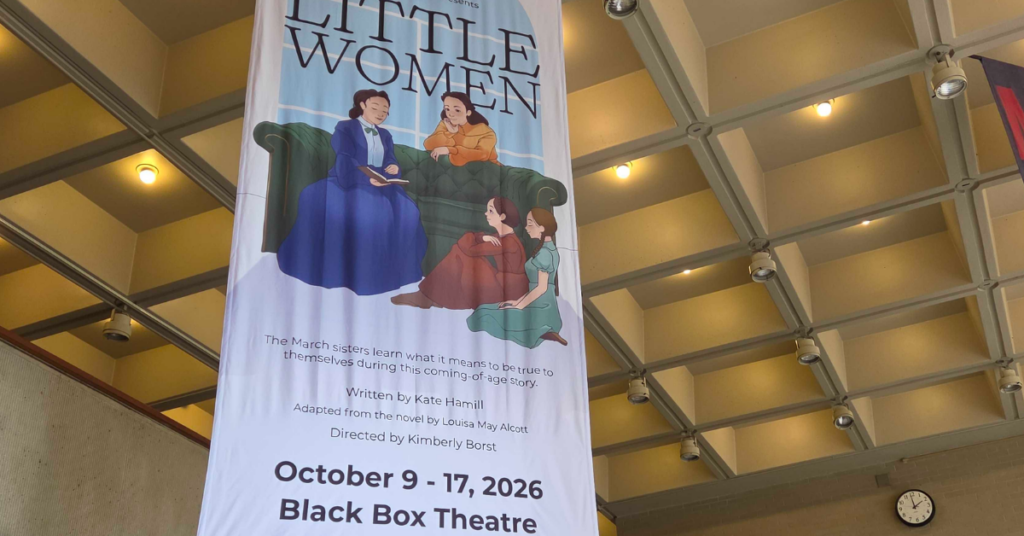 Tick, tick, tick. The sound of a clock offered a reminder that time never stops, carrying childhood into adulthood and… Read more: Sinclair’s Theatre Department presents Louisa May Alcott’s “Little Women”
- YourVoice: Fall brings festivities, homesickness and midterms
 Leaves shifting hues and making canopies mimic catching fire, chillier days remedied by warm pumpkin lattes, curling up on the… Read more: YourVoice: Fall brings festivities, homesickness and midterms
- Settle into spooky season with these 5 films
 The leaves shift into an orange glow, the weather cools, and the nights grow darker. The coming of Oct. is… Read more: Settle into spooky season with these 5 films
- Sinclair honors Toni Morrison through writers’ workshop
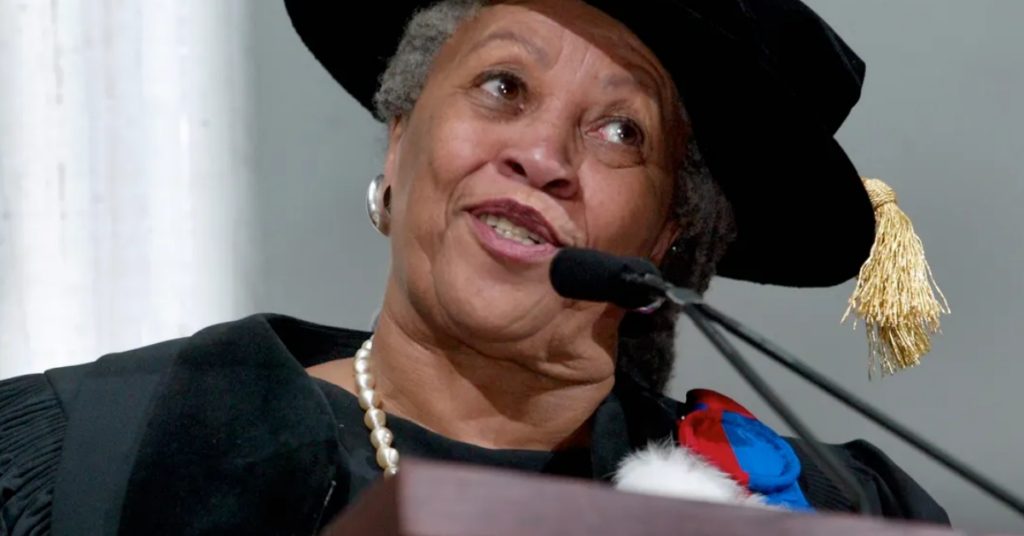 Born in Lorain, Ohio, Toni Morrison was an acclaimed and influential novelist and essayist and became the first African American… Read more: Sinclair honors Toni Morrison through writers’ workshop
- Modern languages lab refreshes space for language learning
 Sinclair is a diverse campus that hosts various international students. Since the 1980s, the Modern Languages Lab has been helping… Read more: Modern languages lab refreshes space for language learning