
For anyone on a Sinclair College campus throughout spring semester, it has been hard to miss the signs on walls and tables advertising eLearn’s “glow up.” While retaining the same name and overall interface, eLearn is migrating from its current learning management system (LMS), D2L, to Canvas.
Canvas was founded in 2011 by Instructure, who call themselves “the O.G. champions of open edtech.” Canvas has ranked highly among LMS options for its ease of use for both students and faculty.
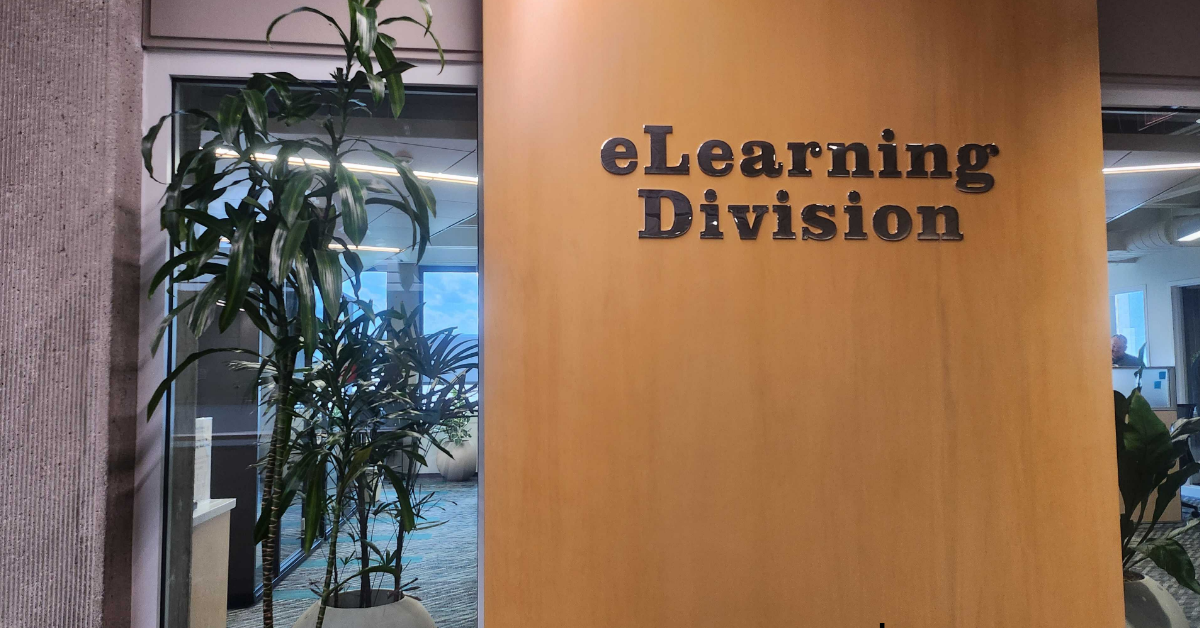
A common complaint of the current eLearn format is the “nesting” of items in an online course, which can make it harder for a student to navigate and find their assignments. According to Mary Jaqua, assistant director of research and labs in the eLearning Division, that will not be an issue with Canvas.
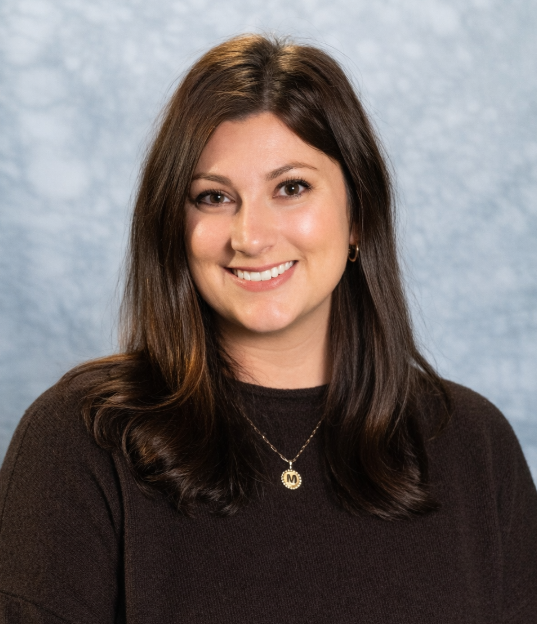
“It’s more of a linear learning experience, so from point A to point B to C to D, so [it’s] more difficult to get lost in an online course,” Jaqua said. She is serving as co-chair of the Communication and Engagement Subcommittee for the schoolwide migration.
Jaqua said Canvas will be easier to use across mobile devices like cell phones and tablets, as students are increasingly using these to access courses. She also said the system uses AI-powered tools on an “opt-in” basis by the professor.
“It’s not like the traditional large language model, like LLM, ChatGPT; it’s more about efficiency and automations,” she said. “So maybe more things are automatically graded to help faculty members with time management.”
Canvas has been piloted in select courses over the spring semester, with all online courses planned to be offered through the new LMS for summer. Jaqua said the transition has seemed to go smoothly so far.
“To us, no news is good news,” she said. “We’ve had very few tickets from piloting faculty and piloting students of having trouble… Normally, with a system, you only hear when things are going awry, things are going wrong.”
One of the pilot courses for spring was Business Mathematics, taught by adjunct faculty member Tony Ponder. Ponder has been part of several LMS migrations throughout his career, with the shift to Canvas being his fourth.
“This was a good migration,” said Ponder, adding that the faculty and eLearning division are taking a student-centered approach. ”They’re experts in their discipline, and they care very much about providing resources to not only their adjunct faculty, but also to the students,” he said.
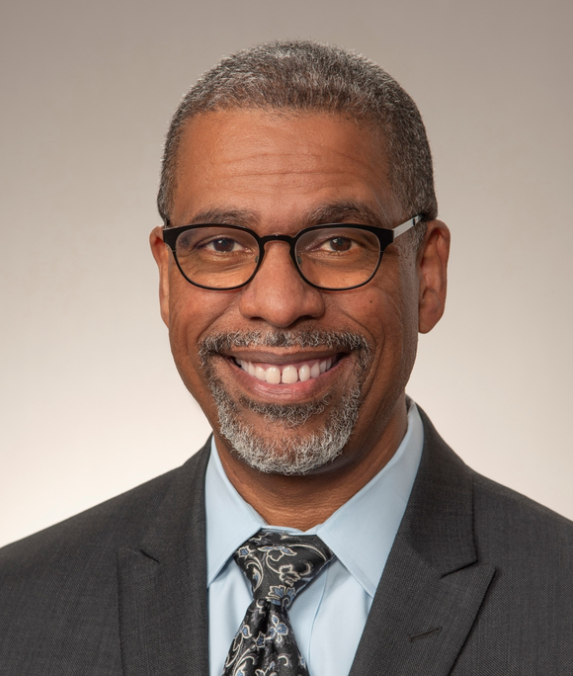
In Ponder’s experience, students have hardly seemed to notice the change over the semester. He hopes that anyone having issues would come forward and ask for help, both for their own learning experience and to get the clearest picture of how the migration is working out.
“Even when I was teaching full time in the math department, a lot of times students would say, ‘Well, I don’t want to bother my professor, or he or she is so busy.’ It’s like, yes, they are busy, that’s true, but they’re there to support you,” he said. “So by all means, we would much rather you reach out, you know, ask us questions.”
On social media, there have been rumors about increased tracking of student activity while using Canvas, but fact-based evidence of this is difficult to find. Jaqua said eLearn can already track how long students spend on the pages of an online course, and that data about student behavior will be used to improve course design for the entire school.
“In another LMS system, you might only get section-level data. We’re getting kind of institution-level data, so it’s more powerful in that way,” she said. “It gives us a lot more insight to ask those interesting questions of, how are we building this for the students that we represent and that we serve.”
Jaqua wants students to know that the change to Canvas does not need to be intimidating. She said the eLearning Division has worked with other institutions to find the best way of designing and streamlining the process for users.
“Online education is growing,” she said. “And it’s important for us to respond to that growth in the right way.”
Hannah Kichline, multimedia editor
See more from The Clarion:
- Editorial: AI is not journalism

- Tartan Spotlight: Nadine Cichy

- YourVoice: Students weigh in on campus parking
- 5 tips for a successful semester

- Labor Day: A day off with a history of hard work