

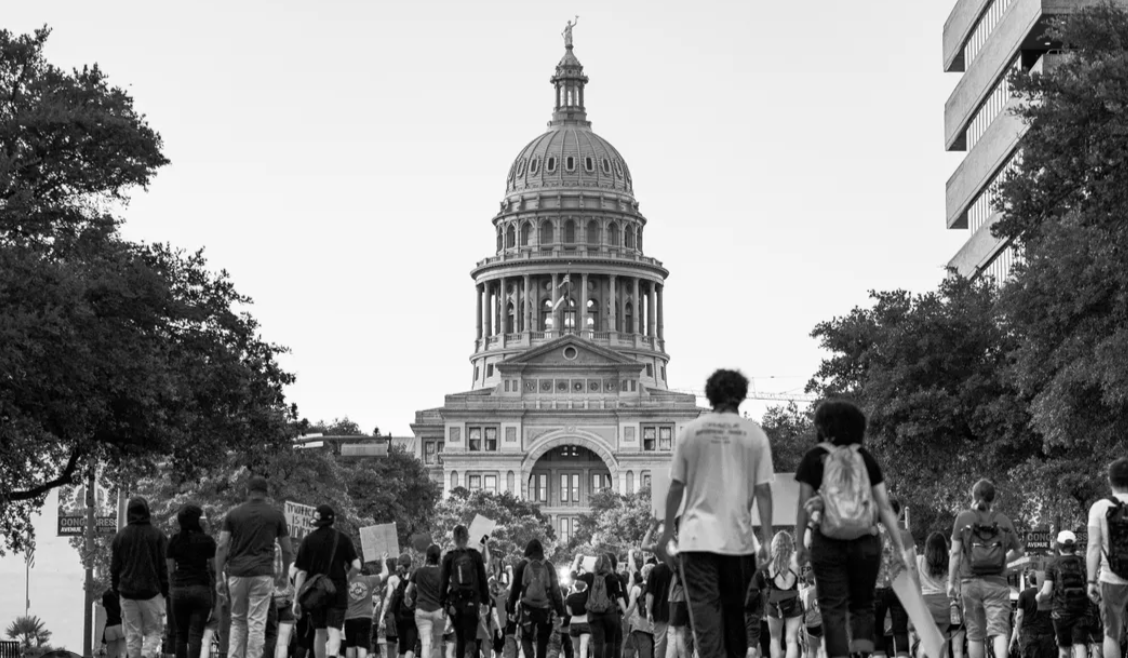
Black History Month has gone through significant changes before becoming what it is today. Carter G. Woodson is one of the people most responsible for its creation, after working for most of his life to promote the advancements of Black people post-emancipation.
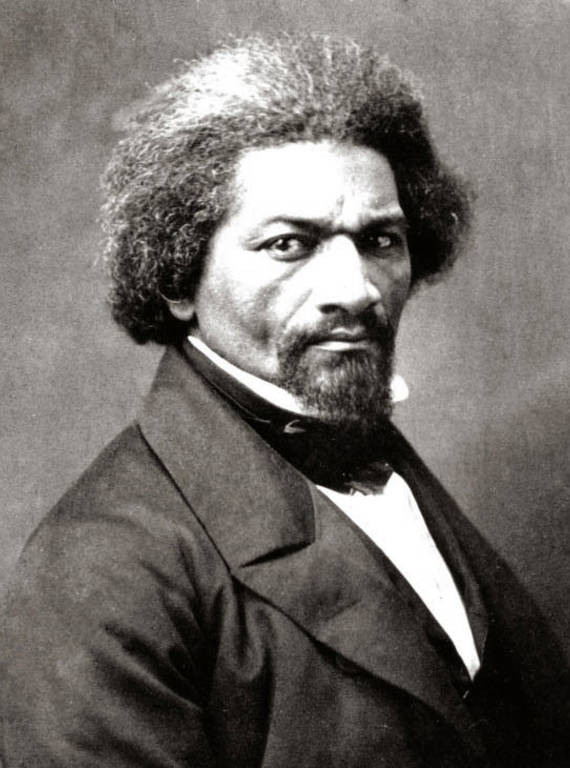
The yearly commemoration was first called “Negro History Week” and centered around days that were already prominent in Black culture: Frederick Douglass’ and Abraham Lincoln’s birthdays. Over time, the week shifted to a month full of memorials and celebrations, becoming official in 1976.
Despite the yearly festivities, there is plenty of information that is largely forgotten or ignored in mainstream teaching. Following are five facts that Tartans may not have learned about Black history.
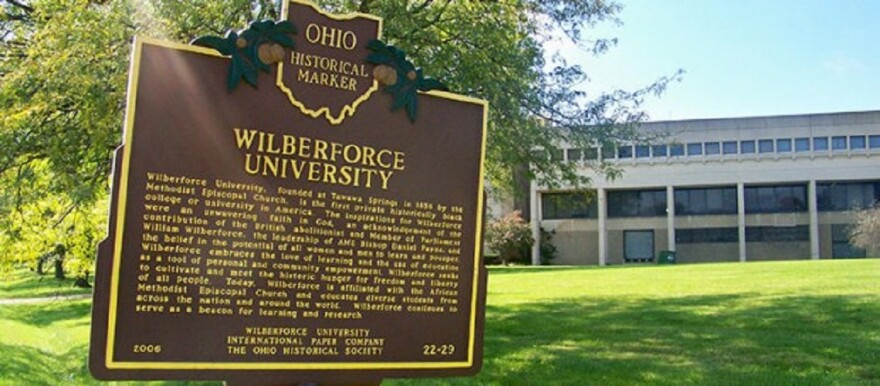
1.) Ohio is home to one of the country’s first historically Black colleges, Wilberforce University. Both the institution and the city it resides in are named after William Wilberforce, a British abolitionist.
One of the university’s noteworthy alumni was James H. McGee, who became Dayton’s first Black mayor and held the office from 1970 to 1982. When he first arrived in Dayton, it seemed unthinkable that a Black man would be elected, but to this day he remains the city’s longest-serving mayor.
Related: Black History is Bigger Than a Month
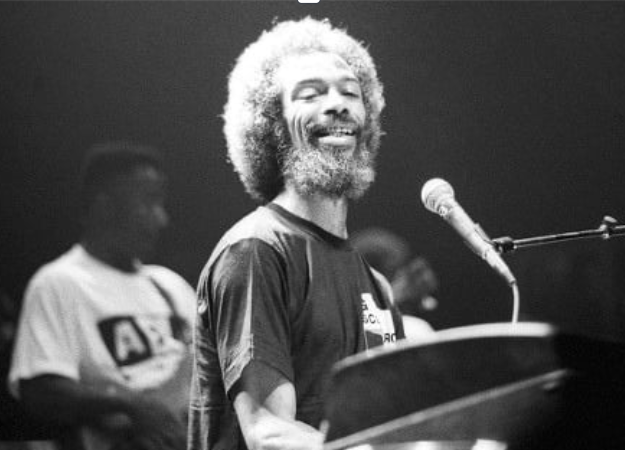
2.) Gil Scott-Heron and Stevie Wonder were largely responsible for establishing Martin Luther King Jr.’s birthday as a holiday. In 1980, the musicians teamed up to perform 40 shows in less than five months to drum up support.
It became the greatest petition-led event in U.S. history at the time, earning six million signatures before it was passed. Scott-Heron described the achievement as America going “kicking and screaming into its reality.”
3.) The inventor of adjustable menstrual pads was an African American woman named Mary Beatrice Davidson Kenner. Up until that point, people were using cloth pads and rags. That changed when Kenner created an improved “belt” that protected much better against leaking accidents.
At the time, applying for a patent was illegal for Black women. However, Kenner remained a lifelong inventor and was able to patent her creation in 1959.
Related: Opinion: Why We Celebrate Black History Month, But Not ‘White History Month’
4.) Many, if not most, cowboys of the “Wild West” were Black. The stories from this time are surrounded by myths and glamor, but “cowboy” was not always a desirable title. Many enslaved and formerly-enslaved Black men were put to work minding ranches and pushing westward for U.S. citizens to settle.
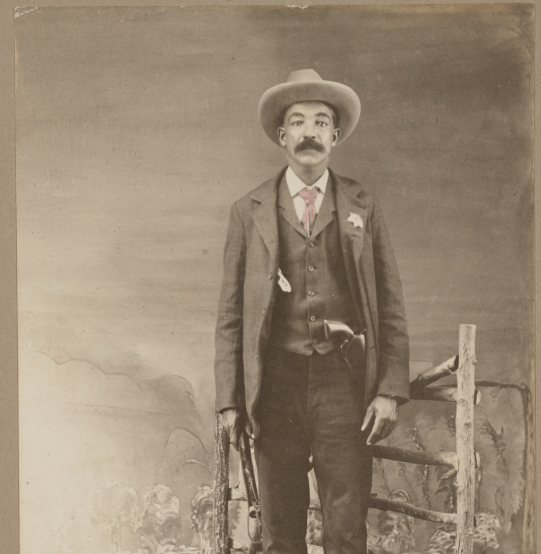
It’s even heavily rumored that the inspiration for the Lone Ranger was Bass Reeves, the first Black commissioned U.S. deputy marshal west of the Mississippi River.
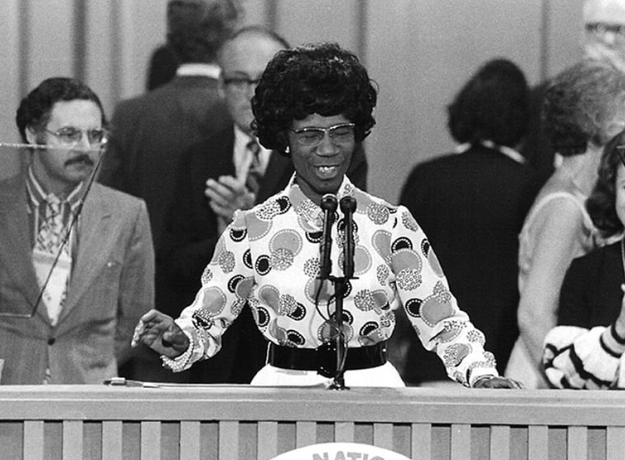
5.) Shirley Chisholm was the first Black woman to run for president, all the way back in 1972. She was ultimately unable to secure the Democratic bid, but served as the country’s first Black Congresswoman and paved the way for a generation of young Black women to get into politics. On a blazing campaign trail, Chisholm sued to be included in televised debates and even survived three assassination attempts.
During her tenure as congresswoman, Chisholm made a name for herself as independent and unwilling to bend to pressure. After her tenure, she was nominated as the U.S. ambassador to Jamaica by President Bill Clinton, but declined the position due to poor health.
Related: Black History Month Inspires Reflection and Action for a Better Future
While many stories of Black History Month focus on struggle and perseverance, that is not all there is. The stories of innovation, discovery and progression are just as important as the stories of overcoming oppression. Black history is living, constantly evolving and will only become richer as time goes on.
Hannah Kichline, multimedia editor
- Juried Exhibition celebrates work of fine art students at Sinclair
- YourVoice: Tartans feel the effects of rising gas prices
- Depth and discipline: Women’s March Madness makes waves
- Madness never misses: Men’s tournament nears final
- PHOTOS: Career Fair Carnival combines games with job readiness