

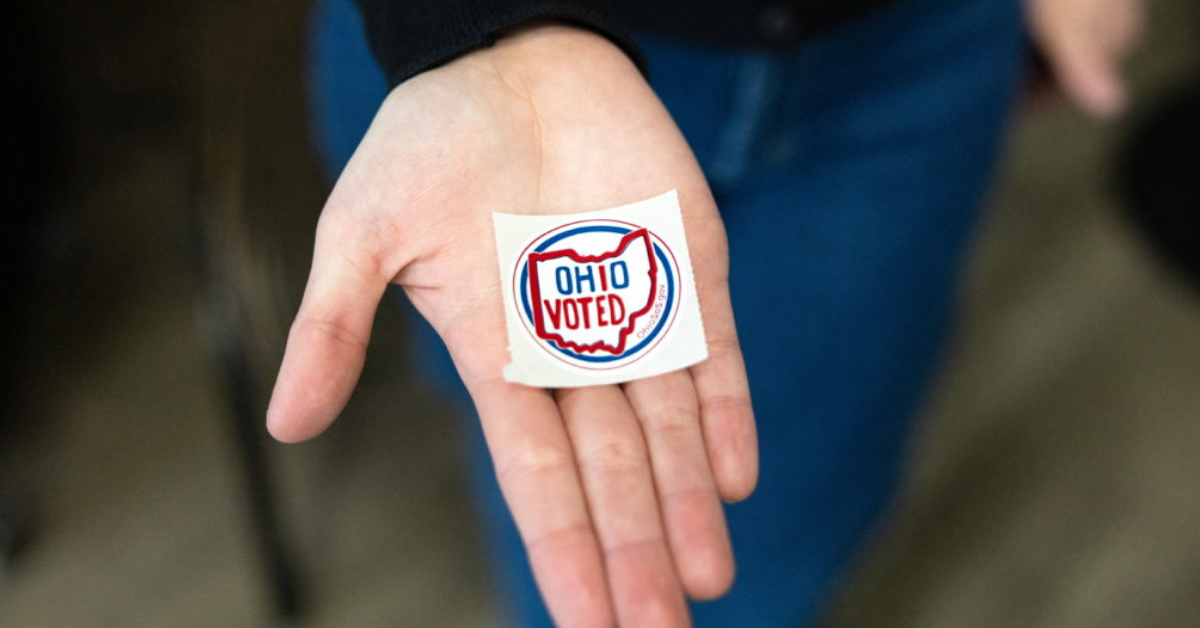
The election in November will be a significant event for many states and for Ohio it is especially important because it will decide who Ohio’s next governor is after Mike DeWine’s term ends. The election will also determine the outcome of several other races for important positions that will affect Ohio’s future.
For Dayton residents, one notable race is the one for the Montgomery County Commissioner, which is between incumbent Carolyn Rice and challenger Margie Christie.


The responsibilities of the county commissioner focus on the financial management of county facilities, which includes hearing petitions and making decisions regarding zoning applications, roads, water and drainage systems and more. Both candidates are Dayton natives and at the time of writing the race appears to be close, with neither having a clear lead over the other.
A more contentious race is the special U.S. Senate election between Jon Husted (R) and Sherrod Brown (D).

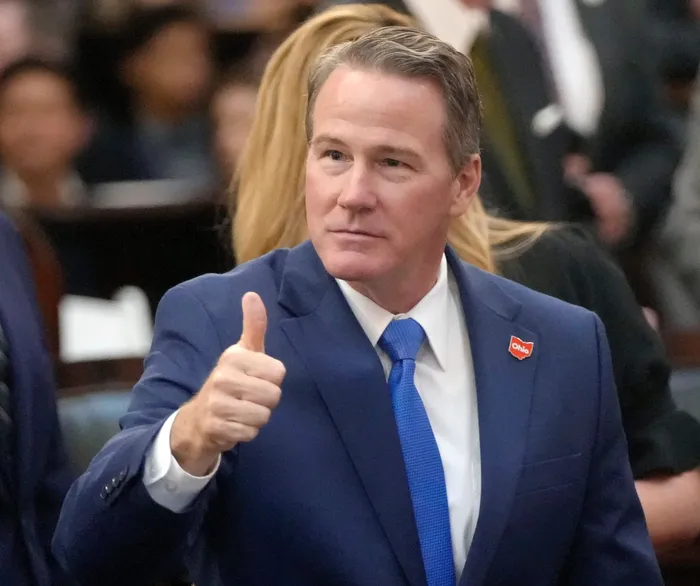
Brown was a U.S. senator representing Ohio from 2007 to 2024, when he was defeated by his opponent Bernie Moreno. J.D. Vance had been another U.S. senator representing Ohio, but after he became vice president in 2025 Husted was appointed to replace him.
The special election will determine whether Husted will be able to serve out the remainder of the term Vance had won in 2022, or whether the position will be filled by his opponent.
The gubernatorial election is the most prominent race, yet the outcome is the least certain. The two main candidates are Democrat Amy Acton and Republican Vivek Ramaswamy. The third-party candidates (Independent Tim Grady and Libertarian Don Kissick) have a much smaller profile and are unlikely to have a major impact on the race.
At the time of writing aggregate polling in recent weeks has consistently had a margin of less than one point between Acton and Ramaswamy, making it clear that unless something changes soon the race will be a toss-up.
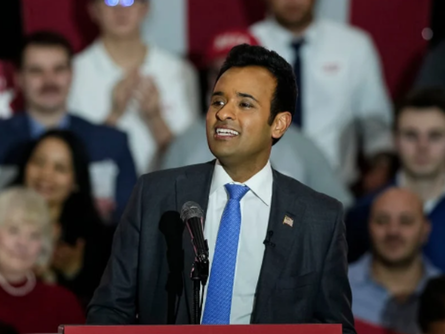

If Ramaswamy is elected he would become Ohio’s first Asian-American and billionaire governor, as well as the first Hindu governor in the U.S. If Acton is elected she would become Ohio’s first woman and Jewish governor.
Despite having distinct visions for the future of Ohio, all four gubernatorial candidates have relatively similar positions regarding data centers. While they differ on the details, all four have emphasized that any proposed data centers must be paid for by the investors and not by Ohio taxpayers, and must adhere to strict restrictions on energy and land use.
It’s an unusual election because Husted is the incumbent, but Brown has more experience as a senator for Ohio, which has led some pundits to argue that he is the “real” incumbent. Both candidates have raised a lot of grassroots support and received endorsements from many groups in Ohio. For Husted, the endorsers include President Donald Trump.
Before the May primary, polls indicated that Husted was the favored candidate in the race. However since then things have changed, and in recent aggregate polls Brown has consistently had a marginal advantage of roughly 4 points.
When it comes to ballot measures, Ohioans won’t have many decisions to make in November, as the only one that will be on the ballot is whether to make voter ID laws a part of the Constitution.
During the lead up to the 2026 election cycle, there were an unusually high number of citizen-led initiatives proposed, but none of them will appear on the ballot. Some were rejected by the Ohio General Assembly, such as the proposed ban on property taxes. Others such as the amendments to guarantee equal rights and repeal the ban on gay marriage have postponed their efforts for the 2027 November election, when they won’t have to compete with the gubernatorial election for voters’ attention.
Erik Larson, reporter
Check out more from The Clarion:
- General election update, multiple seats contested
 The election in November will be a significant event for many states and for Ohio it is especially important because… Read more: General election update, multiple seats contested
 - Waste-Free Dayton builds a greener Dayton through community action
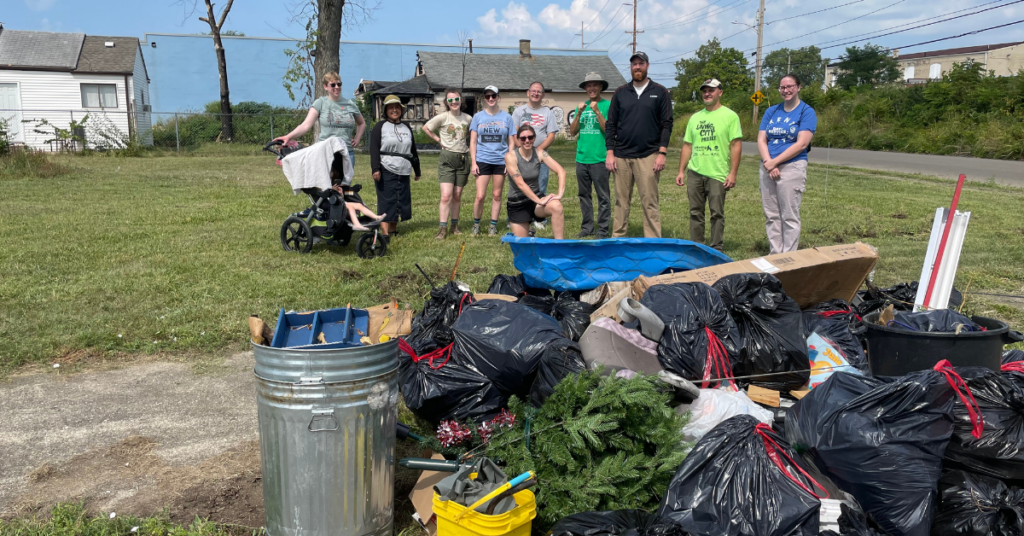 Waste-Free Dayton, a non-profit that evolved from a Facebook group in 2020, encourages people to take simple actions to support… Read more: Waste-Free Dayton builds a greener Dayton through community action
 - Sinclair Promise works to build a ‘Student-Ready’ campus
 Sinclair Promise is a three-year commitment that started in 2024 to encourage student achievement and outcomes for alumni. The Sinclair Promise… Read more: Sinclair Promise works to build a ‘Student-Ready’ campus
 - PHOTOS: Wellness Fair puts health and happiness on display
 Every year in Sept. the HR Department hosts the Annual Wellness Fair. Vendors and local health organizations collaborated and set… Read more: PHOTOS: Wellness Fair puts health and happiness on display
 - Sinclair Police expand safety awareness through monthly discussions
 Sinclair Police and Public Safety has introduced Sinclair Safety-First: Monthly Safety Discussions. Through these discussions, the Sinclair Police and Public… Read more: Sinclair Police expand safety awareness through monthly discussions