

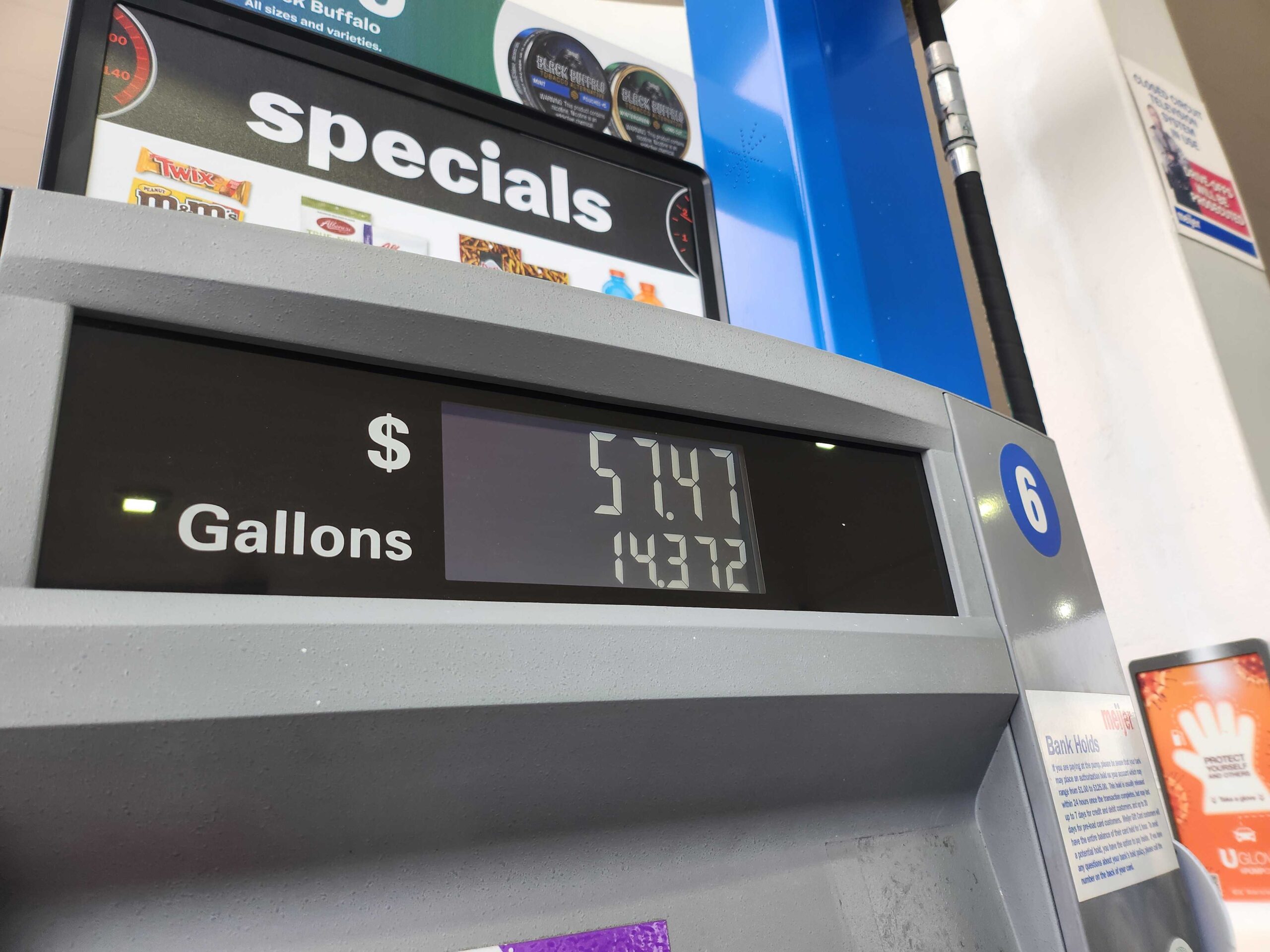
At Sinclair’s Dayton campus, gas costs look different for every student, but the impact is still heavy.

For Spencer Hoerig, gas isn’t a constant weekly expense, but it still adds up. He said it takes about $28 to fill his tank, and he typically fills up twice a month. While that may seem manageable, he explained that its effect depends on whether he’s paying for it himself or getting help from his parents.
“It just depends… how much my bank has,” he said, noting that rising prices can still make a difference. Despite the cost, Hoerig said having a car is worth it for the freedom it provides, especially when it comes to seeing friends and getting around easily.
For Klaudia Jackson, the financial strain is much more noticeable. She spends about $120 to $150 a month on gas, sometimes filling her tank multiple times in a week.

As a full-time student paying for her own college, car, insurance and phone bill, gas becomes another heavy expense to manage. Her long commutes, about an hour drive to campus, only add to the burden.
“I still have to drive… this Dayton campus is one hour,” she said. “Having to pay for gas is really, really hard on my budget.”
Jackson has had to adjust her habits, planning trips more carefully and trying to limit unnecessary driving. While she recognizes the privilege of having a car, she said it’s a necessity for getting to work and school, given how far she lives.
Students in Centerville are also feeling the effects of the elevated gas prices.
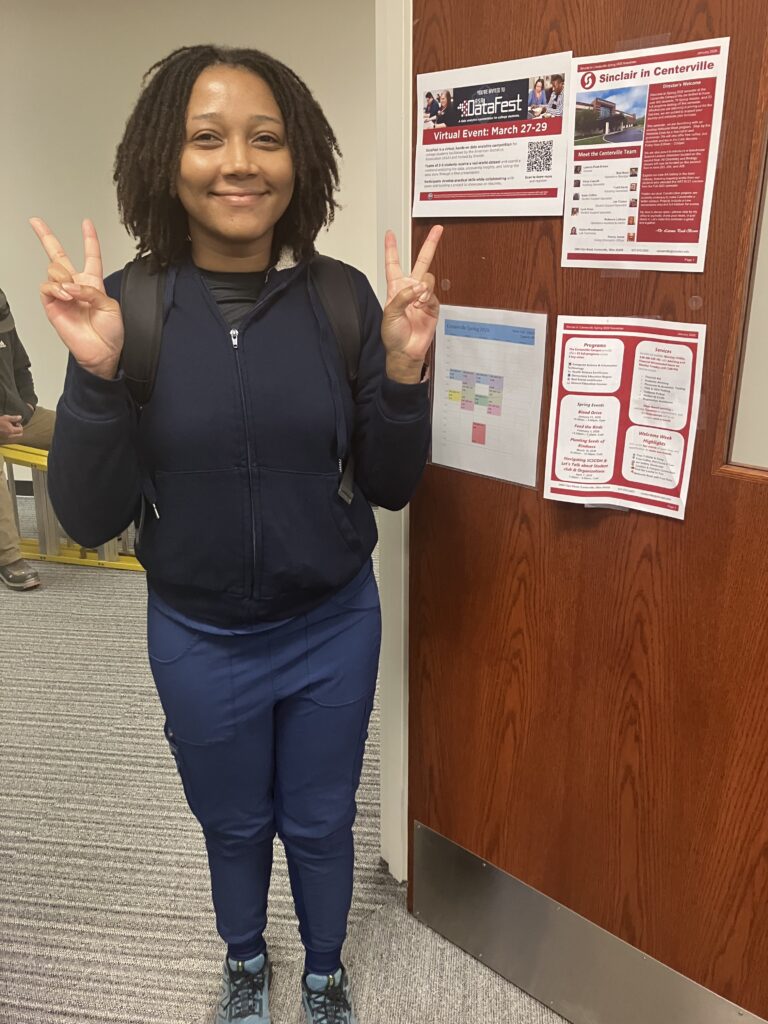
One student, Chaka King, said it hasn’t directly affected her but has affected the household and forced them to mind their expenses a bit more than usual. In particular her boyfriend has been avoiding driving his car due to the prices.
“It’s costing him probably about $60 and previously was roughly about $30 for him to fill up the tank,” King said.
Austin Irlbeck said he has also felt the impact of the higher prices, as he drives a Jeep and only gets about 13 miles out of every gallon. But he has also been watching how this could impact other areas as well.

“AI is making everything go up, and companies are going to take advantage of that,” said Irlbeck. He said he hopes prices come down soon, but they could be stuck at a new standstill for a long time.
For Sinclair students across cities, the price at the pump isn’t just a number; it’s something they have to factor into everyday decisions, from how often they drive to how they manage the rest of their expenses.
Jacie Moore, reporter
Erik Larson, reporter
- YourVoice: Tartans feel the effects of rising gas prices
- Depth and discipline: Women’s March Madness makes waves

- Madness never misses: Men’s tournament nears final

- PHOTOS: Career Fair Carnival combines games with job readiness

- Mentoring Collaborative celebrates a quarter-century of change, connection and courage
