

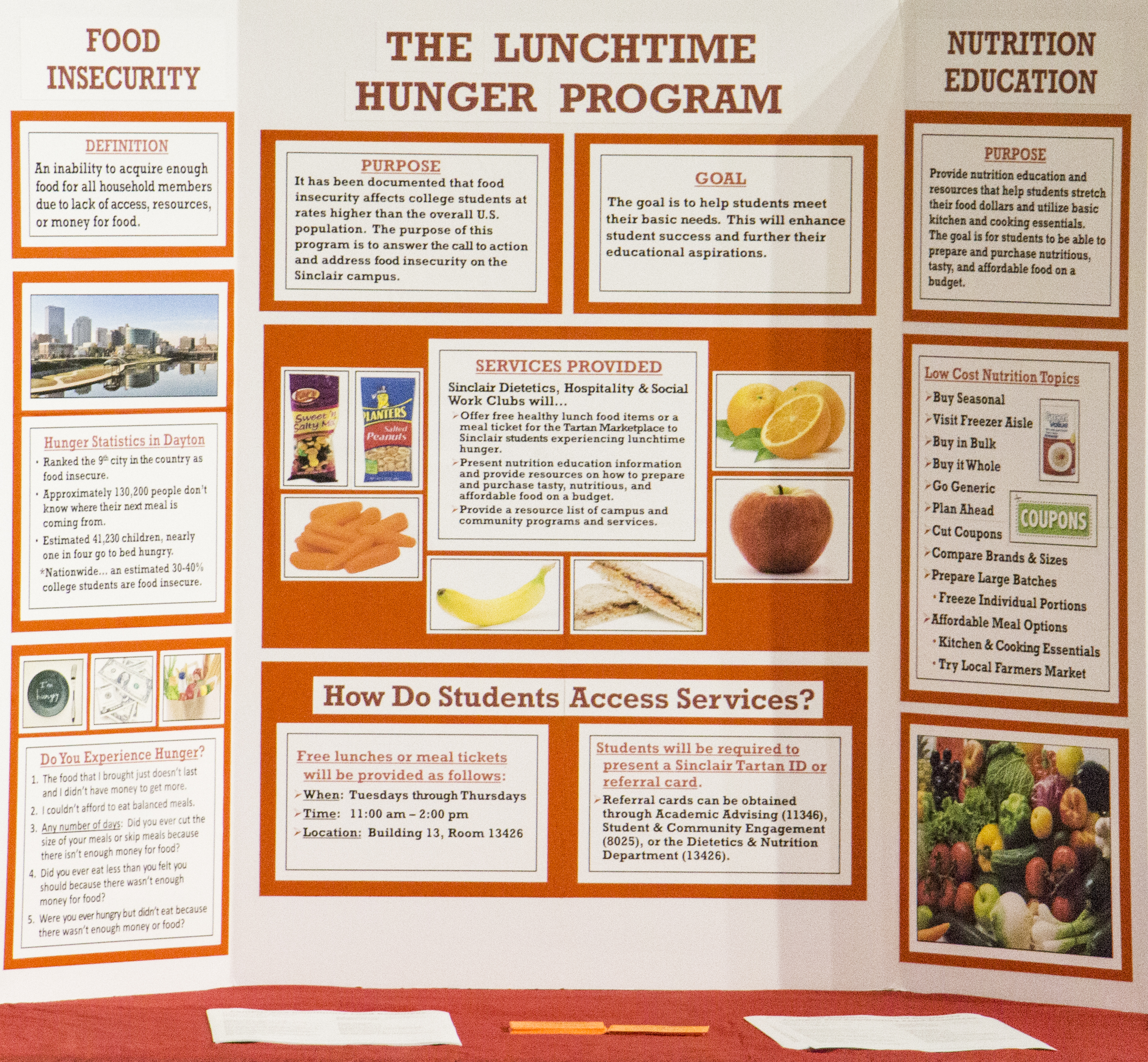
When we think of the word desert, we think of sandy, desolate areas with little or no water. We don’t associate the word with food, let alone think that something like a “food desert” could exist. With the way cities seem to be growing nowadays, grocery stores seem to be everywhere. So what exactly does it mean to live in a “food desert” and what exactly is a “food desert?” Dr. Reece Freeman, who did the Sinclair Talk, has chosen this topic to educate students just exactly what a “food desert” is.
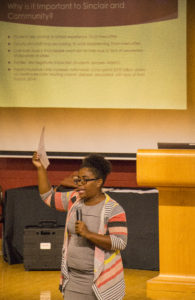
Freeman defined a food desert as an area where a person may live 1.5 miles or more away from a grocery store and lack transportation to get the food they need. According to the statistics given by Freeman, Ohio ranked 19 in the nation with 18.1 percent in food hardship. Impacting Dayton alone there are 39,390 children that go hungry. The numbers of food hardship caused by these food deserts has only seemed to go up and food deserts are one of the problems causing it.
It’s important to understand the effects of food deserts and why it matters if you are living in one or know someone that is living in one. Freeman mentioned the negative effects that living in one of these areas causes. People who live in food deserts are more likely to: have heart disease, have higher rates of obesity, be unemployed, increased likelihood of poverty and crime and have a decreased overall look on life. It’s important that we have access to fresh food, so that we can maintain a healthy diet and be productive.
“It’s not about empty stomachs, children that don’t eat well don’t learn well and adults that don’t eat well, don’t work well.” Freeman quoted from one of his student’s research projects on the matter.
The point of making students aware of food deserts is because it affects people around us. With the numbers like the ones Freeman provided, the person you are friends with could very well be living in one of these food desert areas. The only difference is that they may have transportation to get food, but there could be some that don’t have that option and as a result they end up going hungry. That’s what it all comes down to, these food inequalities causing hunger and food hardships not just within our state but even within the city of Dayton.
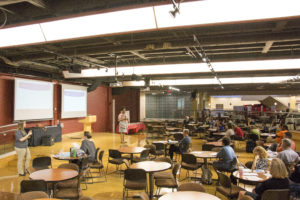
How do we solve a problem like this? A few ideas were given on the services available that could help bridge the gap when it comes to food inequalities and hardships that may include those who live in food desert areas and don’t have the means of getting fresh food. Food Banks and churches, mobile food pantries and community gardens are good ways to get the fresh food out to the people who are in need of it.
Lindsey Huff
Intern