
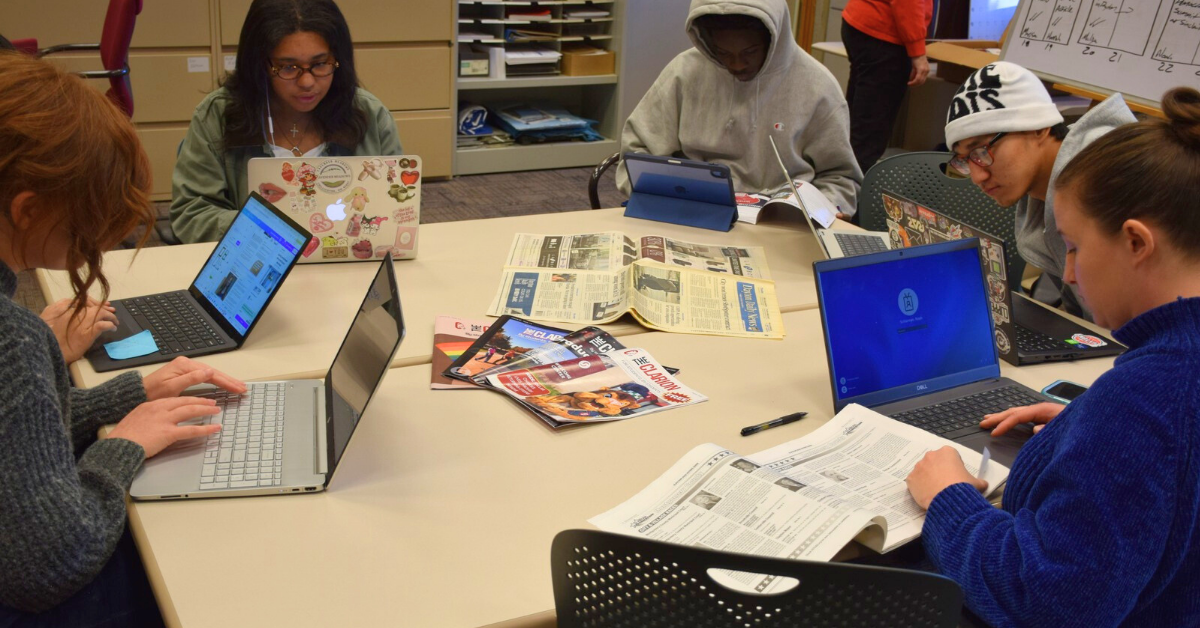
Feb. 26 marks the ninth annual Student Press Freedom Day, a day focused on the work student journalists do in their communities and standing up for press freedom.
This year’s theme, Resilience in Action, celebrates the ways that student journalists push forward and raise their voices, in spite of increasing threats of censorship, intimidation and legal action.
The Student Press Freedom Day was started in 2018 by the Student Press Law Center. Each year it is observed on the fourth day of Scholastic Journalism Week and near the anniversary of the U.S. Supreme Courts “Tinker v. Des Moines Independent Community School District” decision on Feb. 24, 1969.
The decision reaffirmed students first amendment right while on a school campus, after three Iowa students were suspended for wearing black armbands to protest the Vietnam war.
Now more than 50 years later, the threat of censorship is increasingly more prominent with seditious actions taken by the federal government and certain colleges.
On Jan. 29, Don Lemon, former CNN anchor and independent journalist, was arrested alongside three others after covering an anti-ICE protest at a Minnesota church over a week prior to his arrest.
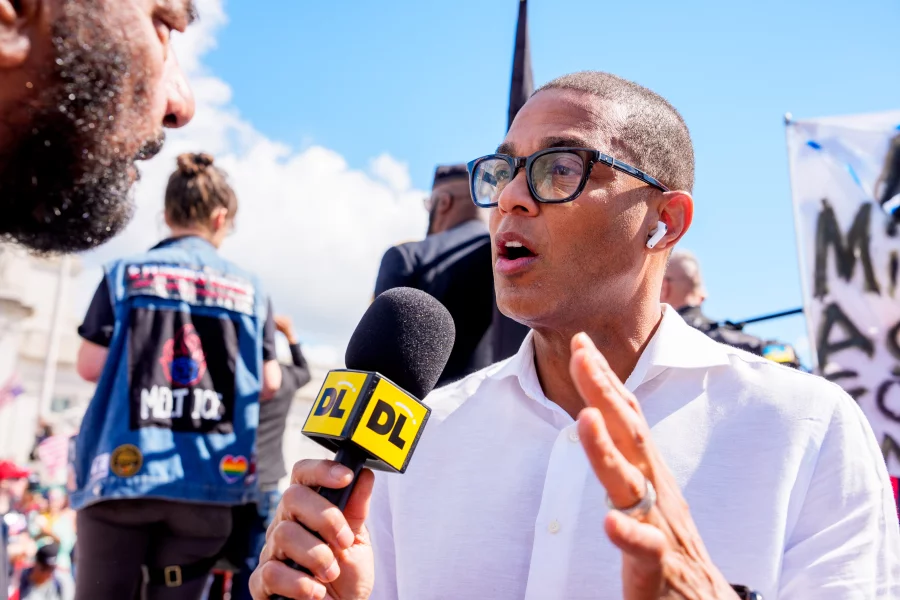
He was indicted by a grand jury on charges of conspiring to interfere with worshippers rights and violating the Freedom of Access to Clinic Entrance (FACE) Act. The arrest was met with wide scrutiny and backlash. On “Jimmy Kimmel Live!” host Jimmy Kimmel introduced Lemon, who appeared as a guest, by saying he “was arrested for committing journalism.”
Kimmel himself had previously dealt with censorship when ABC suspended his show after over his comments related to the killing of conservative activist Charlie Kirk. After public outrage, the show was returned to the air where Kimmel denounced threats made by FCC Chairman Brendan Carr, which he says violated the first amendment.
The overreaching actions of federal government are concerning and dangerous. While it may be the biggest institution, it is not the only one seeking to upend the first amendment. Certain colleges have taken aim at their own student media organizations.
In October 2025, Indiana University fired their student media advisor over his refusal to follow through on an order that would effectively censor the Indiana Daily Student, after weeks and months of IU administration directing him to stop the students from printing any news.
This is not an isolated incident. Student journalists at the University of Colorado; the University of Maryland; the University of Dallas, Texas; and Brown University have all either been or currently are under investigation or have faced student conduct charges.
The actions that have led to these investigations include recording a protest, emailing professors and asking for additional sources. These are not ethical violations or malpractice; it is basic journalist conduct that is necessary to the job itself.
The entire journalism industry survives under the shelter of the first amendment. To have powers interested in removing these safeguards signals that they are not interested in objective truths, but rather dominion and influence.
These simple facts and hard truths are precisely why the Student Press Freedom Day’s theme is Resilience in Action. Because action is required to combat the powers that are interested in stripping the peoples most fundamental freedoms.
To find out more and how to join upcoming virtual panels, visit the Student Press Freedom Day website.
Noah Schlarman, executive editor
Check out more posts by the Clarion:
- 9th Annual Student Press Freedom Day calls for Resilience in Action
- Potential amendments to Ohio’s Constitution in 2026
- PHOTOS: Sandra Aska, Andy Holliday, Paul Rienzo share their artwork in the gallery and online

- ‘Iron Lung’ represents everything great about independent filmmaking
- These 5 Black history moments are lesser-known, but no less noteworthy