

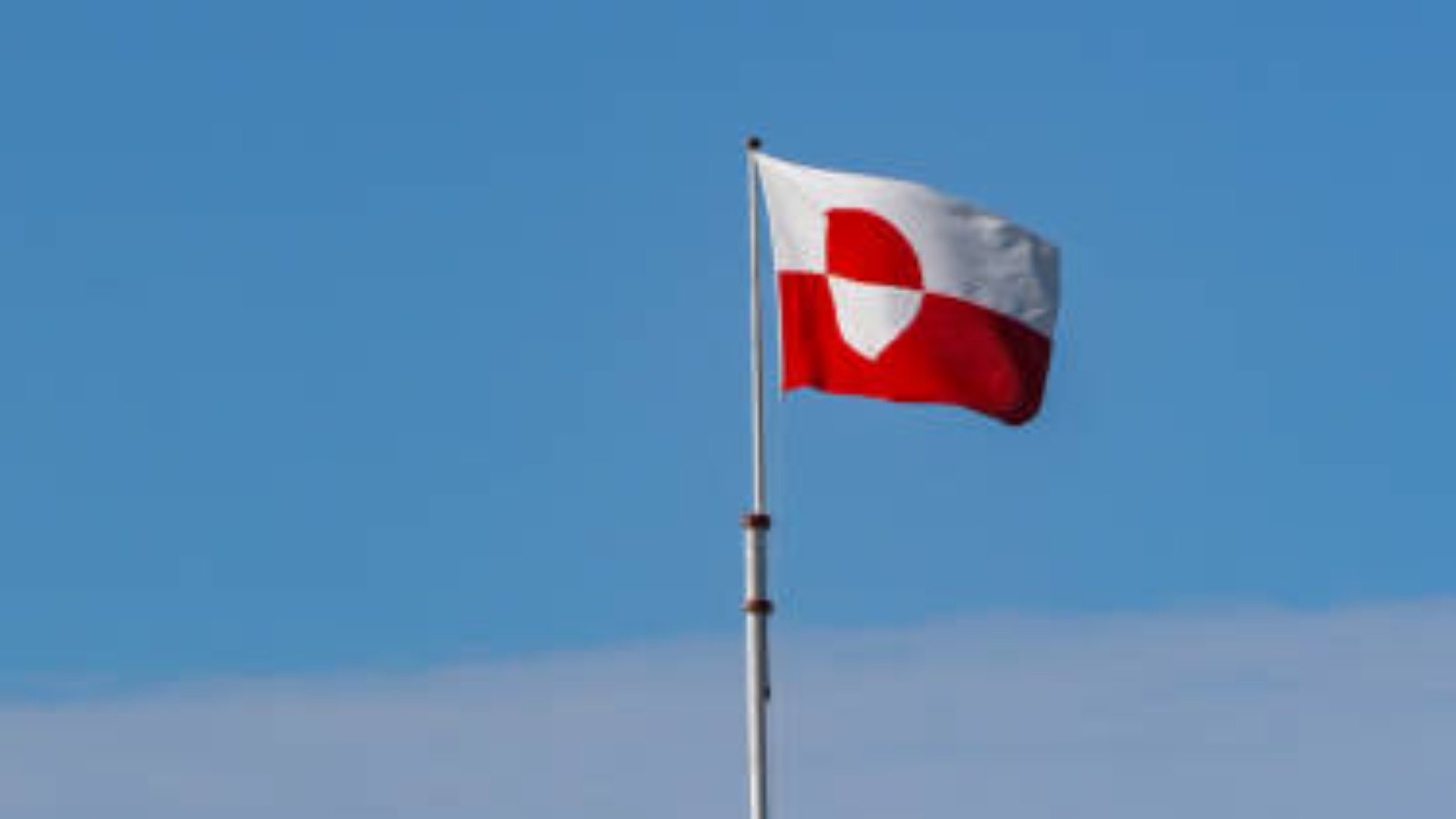
While the Trump administration’s rhetoric in 2025 and 2026 about taking Greenland has been seen as shocking by much of the world, the idea of the U.S. annexing Greenland is not a new one, and has a long history going back to the 19th century.
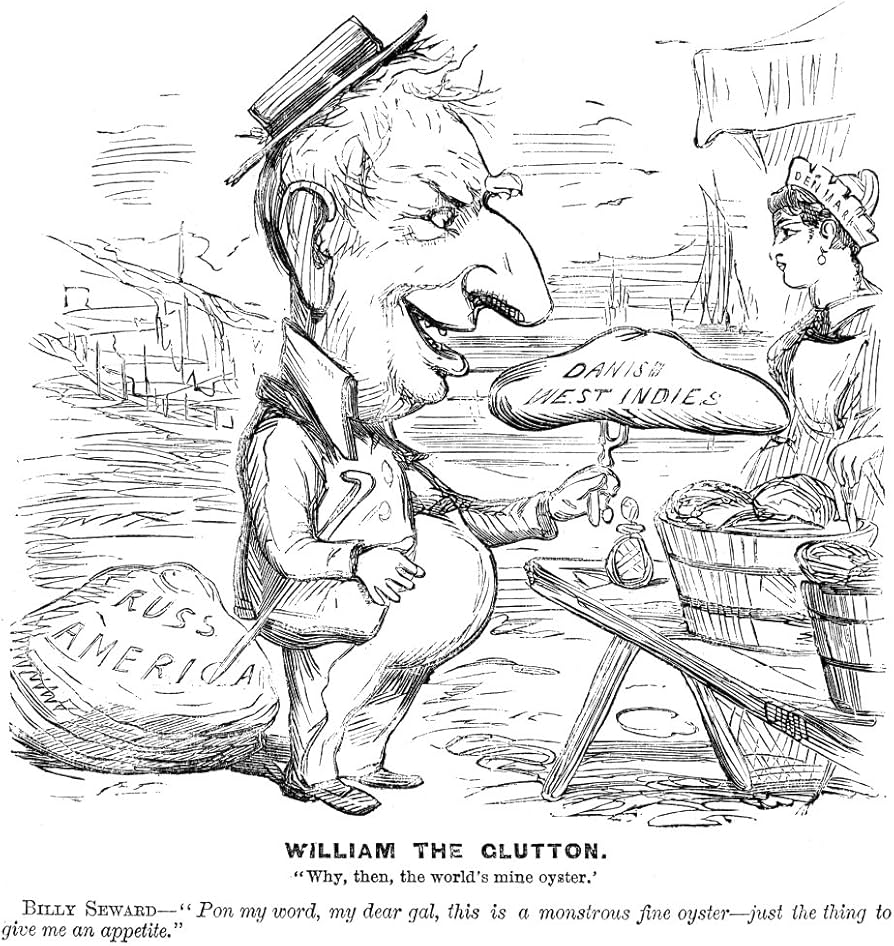
In 1867 Secretary of State William H Seward successfully negotiated the purchase of Alaska from the Russian Empire, who sold it because they couldn’t spare resources to defend it but wanted to prevent their main rival, the U.K., from acquiring it. Seward then tried to put together similar proposals for other territories such as Iceland and Greenland, but failed due to his and President Johnson’s unpopularity.
During World War I the U.S. became concerned that Germany might invade Denmark and lay claim to all of Denmark’s colonies, including ones near its own borders. Denmark also had concerns about its own security needs and so entered into negotiations with the U.S. after the Germans began their unrestricted submarine warfare.
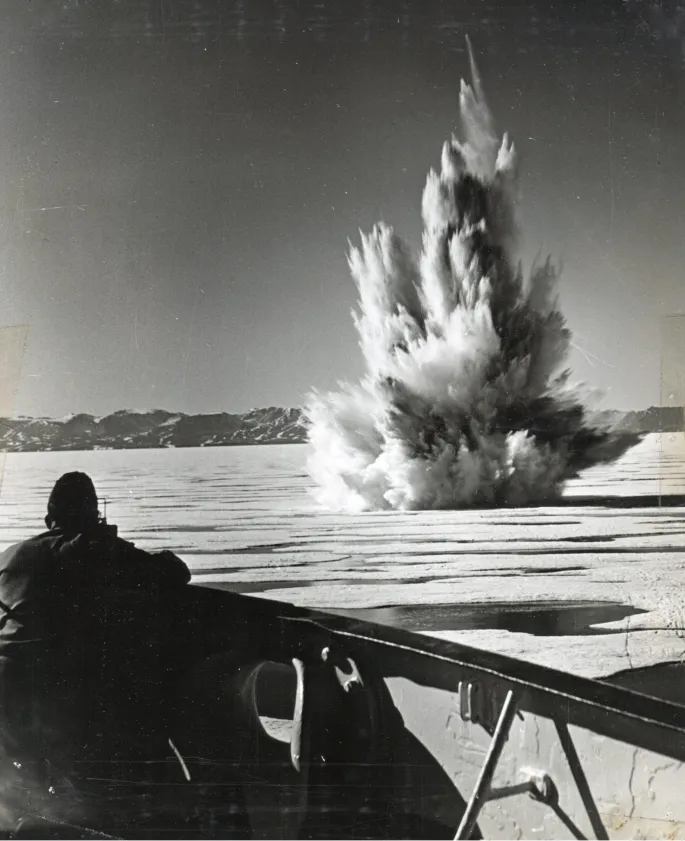
Denmark refused to sell Greenland but did agree to sell the Danish West Indies to the U.S., which later became known as the United States Virgin Islands.
In 1940 Germany invaded much of Europe, including Denmark, and successfully captured it after only six hours. In response all of Denmark’s overseas colonies, including Greenland, were occupied by Britain or the U.S. to protect them from Germany. For the remainder of the war Greenland worked closely with the U.S.
The U.S. had made an agreement to leave once the German threat was gone, but later used the Cold War as a justification to stay.
When the U.S. offered to purchase Greenland from Denmark it offered an enormous sum of money that would have gone a long way to helping Denmark recover and bounce back after the war, and was surprised when Denmark rejected the offer. Denmark meanwhile had been out of the loop during the German occupation and so was caught off guard when they realized the U.S.’s actual intentions.
Did you know…
THEARCTICINSTITUTE.ORG
Greenland was important in World War II because most of the weather in Europe originates in the Arctic region near the country. Thus, whoever had meteorological data from that region would be able to more accurately predict the weather in Europe–a big tactical advantage.
The Allies largely kept this information amongst themselves, but Germany was able to quietly place a number of hidden stations along the coast of Greenland. While most were found and destroyed relatively quickly the very last one wouldn’t be found and destroyed until 1944.
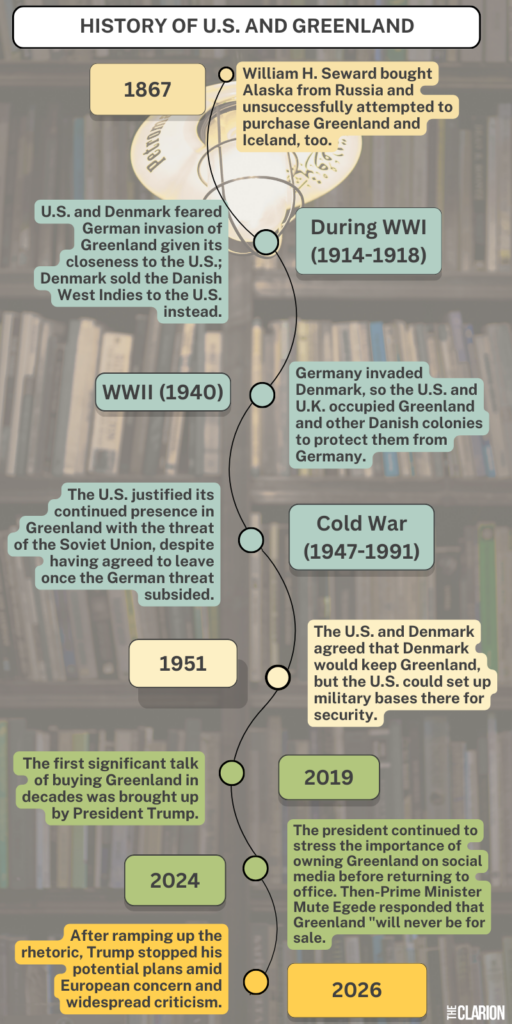
Eventually in 1951 an agreement over Greenland was reached between the U.S. and Denmark. Denmark would retain sovereignty over Greenland, but the US would have the right to install any military bases and facilities it felt were necessary for its security against external threats like the Soviet Union.
In practice this essentially gave the U.S. full control over Greenland, granting the U.S. all the benefits of annexation without the drawbacks, as Denmark was still responsible for administering the people of Greenland.
U.S. interest in purchasing Greenland declined after the collapse of the Soviet Union and subsequent end of the cold War. No other serious proposals occurred until the idea was revived during Trump’s first term.
Erik Larson, reporter