

From a general daytime practice to a 24-hour emergency hospital, I have spent years in veterinary medicine. One thing that became abundantly clear in that time is that there are a lot of misconceptions about animals’ health and wellbeing, especially around the holidays.
A preventable tragedy for a furry family member can haunt the memories of that day forever, not to mention the long wait times and high costs of visiting an emergency vet.
Following is a list of tips to keep pets safe and help your season stay merry and bright.
- Limit table scraps.
- High-fat foods can result in pancreatitis, a very painful condition which is treated with symptomatic medication until it resolves. It’s so common that the day after Thanksgiving is sometimes nicknamed “Pancreatitis Day” in vet clinics.
- Never allow animals to eat bones, corn cobs or anything with activated yeast.
- Safe dog treats include carrots, blueberries and green beans.
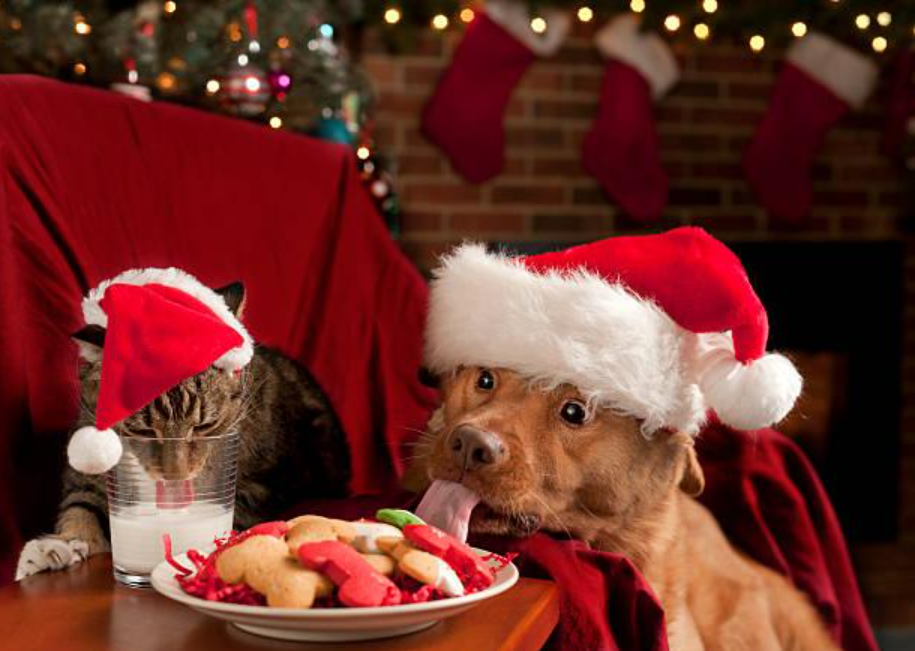
If your pet eats something they shouldn’t, like a human medication, call poison control at 888-426-4435 or 855-764-7661. There is a fee to use these lines, but it is far less than an emergency visit if you don’t need it.
Never try to induce vomiting in a pet at home.
If your furry friend gets some chocolate, use this toxicity calculator before calling a vet.
- Make sure your pets are microchipped and registered.
- Visiting family members and multiple trips from the car can present plenty of opportunities for pets to slip out the door.
- There is often the extra step of going online to register your pet after they are microchipped. Make sure your address and phone number are current; the first thing a vet clinic or animal rescue will do with a lost pet is scan for a microchip and call the number on file.
If they do get out, don’t panic. Indoor pets usually do not go far. If you don’t find them the same night, call area shelters and emergency vet clinics.

- Do not force your pet to socialize.
- If your pet wants to hide in a separate room, leave them alone. New people and noise can be extremely stressful, especially for cats.
- If your pet is easily stressed, talk with your vet in advance about calming medication.
- Do not put animals together who are unfamiliar with each other. With food competition, new surroundings and possible protectiveness over their owners, holidays are prime time for dog fights.
- Understand the signs of stress in an animal and keep them away from people, especially children, if these happen.
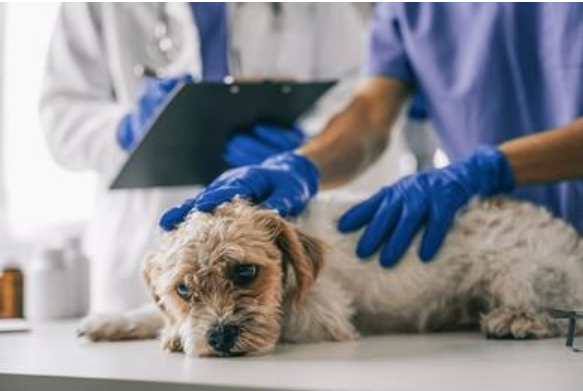
If any animals are injured, 24-hour help is available at MedVet and Care Center, both of whom have multiple locations. During the day, AcutePet Urgent Care is a good option for non-emergencies.
The holidays should be a time for everyone to enjoy, and every year more Americans want their pets to join in the fun. This season, know your resources and keep the festivities safe and sweet.
Hannah Kichline, multimedia editor
Checkout more posts by the Clarion:
- My Voice: ‘I don’t feel safe at all’; International students share opinions on ICE

- PHOTOS: Students gather for Design Your Own Mug event

- Your Voice: The State of the Union

- Sinclair AI Institute stresses an ethical approach

- Trump’s Greenland grabs are nothing new

- 3 Sinclair events students won’t want to miss